
The Crisis of Vanishing Playgrounds in Bangladesh
For years, residents of Dhaka and various district towns across Bangladesh have witnessed a concerning trend: the steady disappearance of open spaces. The shortage of playable fields is no longer just an urban planning failure; it has evolved into a social crisis affecting the physical and mental well-being of the younger generation. As concrete jungles expand, the natural habitats for sports and recreation are shrinking, leaving children with few options but to remain indoors.
This lack of space has created a vacuum that is increasingly being filled by technology. With no fields to run on, many young people are becoming addicted to smartphones and tablets. The transition from the cricket pitch to the digital screen is a worrying shift that impacts not only health but also the development of social skills and the discovery of raw athletic talent.
Habibul Bashar’s Call to Action
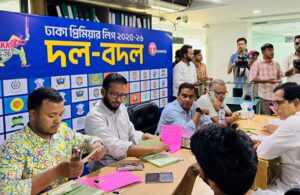
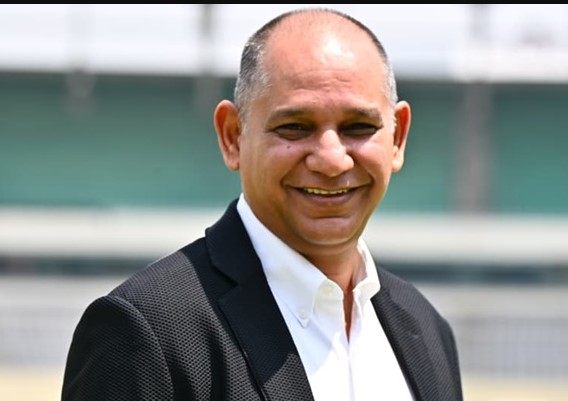
Speaking during the celebrations of Pohela Boishakh on April 14, former Bangladesh captain and current chief selector Habibul Bashar Sumon addressed the media regarding this pressing issue. As a father and a sporting icon, Bashar brought a personal perspective to the conversation, highlighting the struggle parents face in finding safe, accessible spaces for their children to play.
“I have two children myself,” Bashar shared. “From a young age, it’s really hard to find proper fields where they can go and play. Because of this, many kids who might have become athletes never get the chance.”
Bashar emphasized that the goal should not merely be the production of professional athletes, but the overall well-being of the community. He argued that creating an environment where everyone—regardless of their professional aspirations—can engage in sports is the primary objective. Whether it is cricket, football, or other traditional games, the opportunity to play is a fundamental right for children.
Fighting Screen Addiction with Open Spaces
The correlation between the lack of playgrounds and the rise of gadget dependency is a central theme in Bashar’s plea. He noted that children are naturally drawn to outdoor activities, but they require the infrastructure to support that instinct. When provided with a field, the allure of the digital world fades.
“I’m very happy that the honorable Prime Minister is thinking long-term,” Bashar stated, referencing the new government’s commitment to bringing children back to the field. “If we can provide enough fields, children won’t stay glued to gadgets all the time. They won’t drift toward negative things either. I see it with my own kids—once they go to the field, they don’t want to come back home.”
A Vision for a Healthier Future
The push for more playgrounds aligns with the vision of Prime Minister Tarique Rahman, who has spoken strongly about increasing opportunities for sports and outdoor activities. By prioritizing the reclamation of open spaces, the government aims to steer the youth away from the sedentary lifestyle associated with screens and toward a more active, healthy existence.
For a nation as passionate about cricket as Bangladesh, the stakes are high. The grassroots level is where the next generation of stars is born. By ensuring that every child in every district town has access to a field, Bangladesh can ensure a healthier population and a more robust pipeline of talent for its national teams.
While Habibul Bashar continues his critical work as chief selector—most recently announcing the squad for the upcoming ODI series against New Zealand—his advocacy for youth sports infrastructure reminds us that the future of the game begins long before a player reaches the national squad. It begins with a simple, open field and a ball.