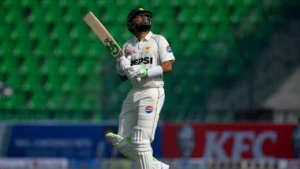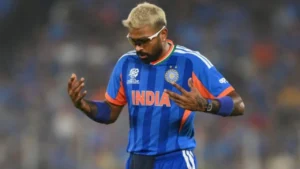

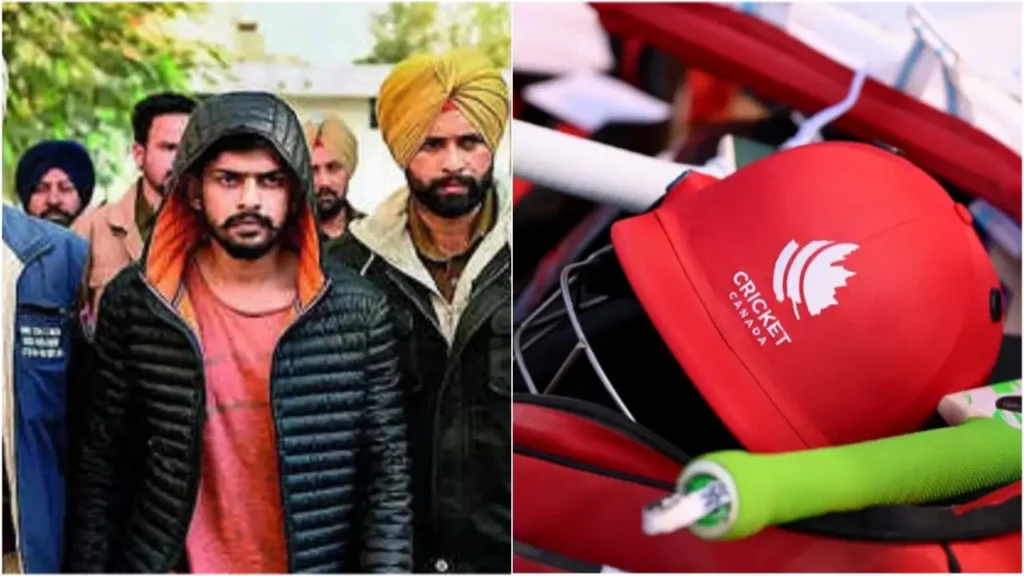
The recent documentary series ‘Corruption, Crime and Cricket’ has sent shockwaves through the cricket fraternity with its alarming claims involving the T20 World Cup 2026 and the Canadian cricket team. A group match between the New Zealand cricket team and Canada was allegedly fixed, with the Bishnoi Gang suspected of influencing the match-fixing incident and manipulating the team selection process ahead of the T20 World Cup 2026. The gang, which has been designated as a terrorist entity by the government of Canada, allegedly put pressure on the Canadian cricket governing body through acts of violence and intimidation. This extortionist scheme is considered a gross betrayal of the game, particularly when it comes to the safety of its players. In a peculiar move, Cricket Canada appointed Dilpreet Bajwa as their captain ahead of the 2026 T20 World Cup, replacing Nicholas Kirton just weeks before the tournament. This decision sparked curiosity among cricket enthusiasts, with many wondering why Bajwa was chosen for the coveted role. The documentary has suggested that Bajwa’s selection may have been influenced by the Bishnoi Gang, an allegation that could significantly tarnish his reputation. Furthermore, it is worth noting that the documentary implicated Bajwa in a spot-fixing incident during the T20 World Cup 2026 match against New Zealand in Chennai. As the investigation unfolds, fans remain sceptical of the legitimacy of Canadian cricket’s leadership. Is the Bishnoi Gang pulling the strings from behind the scenes, or are there other factors at play? The mystery continues to simmer, casting a shadow over the integrity of the game. The T20 World Cup 2026, a tournament meant to unite the international cricket community, has been sullied by the involvement of a terrorist organization and its suspected ties to match-fixing. How can we trust the players and teams participating in this tournament when the authenticity of their efforts is being scrutinized by allegations of external interference? The cricket world needs to address these unsettling claims and work towards restoring the purity of the game. It is not merely an issue of individual teams or players, but a collective failure of the game’s governing bodies to safeguard its integrity. The revelation of the Bishnoi Gang’s alleged influence on the Canadian cricket team has exposed the profound flaws in the game’s security protocols, leaving it vulnerable to external manipulation. As the spotlight shines on Cricket Canada’s leadership and the legitimacy of the T20 World Cup 2026, the world is left to ponder the validity of this grand tournament. Will the involvement of a terrorist organization and the resulting doubts cast a shadow over the game’s future, or will the cricket community rally together to rebuild trust in the sport? Ultimately, it is up to the game’s governing bodies to rise to the challenge, take responsibility for their failures, and implement drastic reforms to prevent such scandals from occurring in the future.

Shaurya Morgan
Shaurya Morgan is a Cricket Editor specializing in match analysis and tactical insights. With a sharp eye for detail, he breaks down strategies, highlights key performances, and brings fans closer to the drama of the game.
He leads the “Match Insights” and “Player Performance Breakdown” segments, offering clear explanations of how teams adapt and players excel under pressure. Shaurya’s work blends data-driven analysis with storytelling that captures the excitement of cricket at every level.