
[CRK]
A Pattern of Instability in Asian Cricket
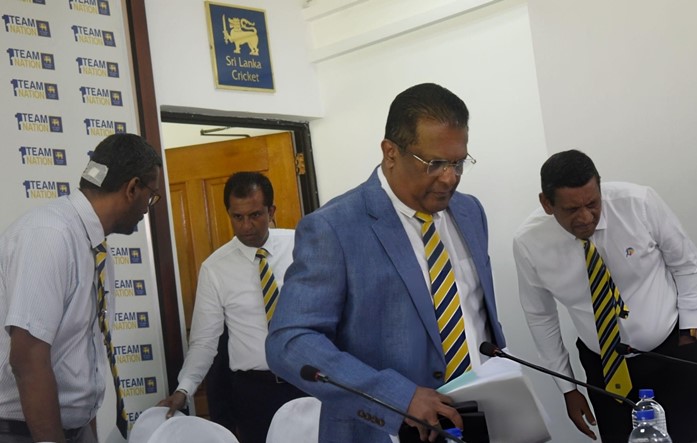
The administrative landscape of cricket in Asia is currently mirroring the volatility often seen on the pitch. In recent years, the region has witnessed a recurring cycle of leadership crises and institutional instability. From the frequent upheavals within the Pakistan Cricket Board to the recent administrative shifts in Bangladesh, the governance of the sport across the subcontinent has been under intense scrutiny. Now, Sri Lanka has joined this trend as the government takes the drastic step of asking the Sri Lanka Cricket (SLC) board to step aside.
The Fall of the SLC Administration
The decision to dissolve the current board was not a sudden impulse but the culmination of mounting pressure regarding the internal operations of the SLC. The primary drivers behind this government intervention are grave allegations of corruption and mismanagement. The lack of transparency in financial dealings and the perceived inefficiency in operational leadership have made the current setup untenable.
According to a Sri Lanka Cricket official who spoke to AFP, the government is not merely removing the existing leadership but is already actively working on a comprehensive restructuring of the board. This restructuring is intended to cleanse the system of irregularities and establish a more accountable framework for the governance of the game in Sri Lanka.
The Controversial Tenure of Shammi Silva
At the center of this storm is the current president of Sri Lanka Cricket, Shammi Silva. Having been in charge for four terms, Silva’s long tenure has become a focal point for critics. While longevity in leadership can sometimes provide stability, in this instance, it has been associated with a series of irregularities. The board under his leadership has faced numerous accusations of unfair practices, which have eroded the trust of both the players and the public.
Perhaps the most damaging allegations involve the integrity of the national team’s composition. There have been widespread claims of unfair practices in team selection, specifically during the recent T20 World Cup. When selection processes are perceived to be influenced by politics or personal bias rather than merit, it directly impacts the performance of the national side and demoralizes the athlete pool.
The Road to Restructuring: What Happens Now?
As the current board is dissolved, the immediate priority is to ensure that the day-to-day operations of the sport do not grind to a halt. There is a strong possibility that an interim committee will be formed to manage the board’s affairs during this transition period. This approach is not uncommon in the region; for example, Bangladesh cricket is currently being managed by an ad-hoc committee led by former captain Tamim Iqbal.
While the identity of the individual who will lead the Sri Lankan interim committee has not been officially confirmed, reports suggest that a former investment banker might be tapped for the role. The appointment of a financial expert suggests that the government intends to prioritize fiscal discipline and corporate governance in the new SLC structure.
The Looming Shadow of the ICC
Despite the welcoming reaction from many Sri Lankan cricket fans, who are eager for a fresh start, there is a significant risk associated with this move: government interference. The International Cricket Council (ICC) maintains strict policies against government intrusion in the administration of national cricket boards, viewing such moves as a violation of the game’s independence.
This is not a theoretical risk for Sri Lanka. The history of the board’s relationship with the global governing body is already fraught with tension. In November 2023, Sri Lanka’s membership was temporarily suspended by the ICC for similar reasons involving government interference. A repeat of such a suspension could have catastrophic consequences, potentially limiting the country’s ability to host international matches and affecting the funding and participation of the national teams in global tournaments.
Conclusion: A Balancing Act for Sri Lanka
Sri Lanka now finds itself in a precarious balancing act. On one hand, the government must purge the SLC of corruption and mismanagement to restore the sport’s integrity. On the other, it must do so in a way that does not trigger the wrath of the ICC. The coming weeks will be critical in determining whether this dissolution leads to a sustainable, professional era of cricket or further isolates the nation from the international community.