

[CRK]
The High Stakes of ODI Cricket
For the Bangladesh national cricket team, the horizon is dominated by one major objective: the 2027 ODI World Cup. While the tournament may feel distant to some, the groundwork for qualification is being laid right now through the ICC ODI rankings. To secure a direct entry, the Tigers must maintain their standing within the elite top nine—a task that requires more than just talent; it requires mathematical precision and unwavering consistency.
Understanding the Rankings Landscape
Currently, Bangladesh holds a rating of 81, placing them firmly within that vital top-nine bracket. However, the cushion is thinner than it appears. The West Indies are breathing down their necks with 77 rating points, while England sits just one position ahead with 88 points. This tight cluster in the rankings means that a few bad results could see Bangladesh slipping into the danger zone, potentially forcing them into the grueling qualification rounds that every full-member nation desperately hopes to avoid.
Why Every Win Matters
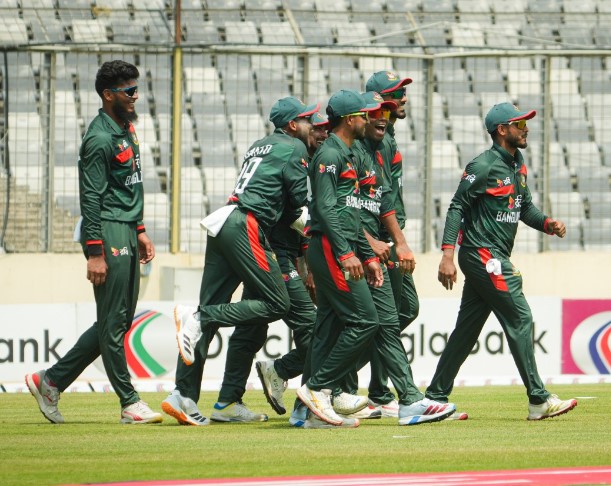
The importance of individual match results cannot be overstated. A clear example of this dynamic was the recent ODI series against New Zealand. After a disappointing loss in the series opener, the team showed immense character to bounce back and win the second match. That victory wasn’t just a morale booster; it was a tactical masterstroke that added two vital rating points to their tally, effectively widening the gap between them and the chasing West Indies.
The Series Decider: More Than Just a Trophy
As the team looks toward the third and final match of the series, scheduled for Thursday, April 23, the implications go far beyond the series scoreline. Winning this game would secure a prestigious series victory, which is significant for team confidence and domestic pride. Interestingly, while a win here provides a psychological edge, the current calculation system suggests it may not yield further gains in rating points. Conversely, a loss would be costly, potentially stripping two points from their tally and bringing the West Indies within a razor-thin two-point margin.
The Road to 2027: Qualification Explained
To understand why this is so critical, one must look at the qualification structure for the 2027 World Cup. The ICC has established that the top eight teams in the ODI rankings will earn direct qualification. With South Africa serving as one of the host nations, they are virtually guaranteed a spot, which effectively extends the direct qualification threshold to the ninth-ranked team. This is the safety net Bangladesh is currently clinging to.
For any team finishing outside the top nine, the route to the World Cup becomes significantly more arduous. They would be forced to navigate high-pressure qualification tournaments where the margin for error is non-existent. For a nation with the pedigree and expectations of Bangladesh, avoiding this path is essential to ensuring a stable and successful cycle leading up to the 2027 tournament.
Strategic Outlook
The coaching staff and the players are well aware of these numbers. The upcoming matches are not merely exercises in sporting competition; they are strategic maneuvers in a long-term campaign. Every run scored, every wicket taken, and every series contested is a block in the wall of their World Cup aspirations. As fans look toward the future, the message is clear: there is no room for complacency. Whether it is a dead-rubber or a series decider, Bangladesh must treat every ODI as if their World Cup future depends on it—because, ultimately, it does.