

[CRK]
The Return of Test Cricket to Eden Gardens
Test cricket returns to the iconic Eden Gardens in Kolkata for the first time in six years, setting the stage for a compelling showdown between India and South Africa beginning November 14. With the anticipation building, reports indicate that the pitch conditions will be a critical talking point throughout the match, potentially shifting the narrative away from traditional spin-dominated tracks toward an old-school battle of fast bowling mastery.
Understanding the Surface
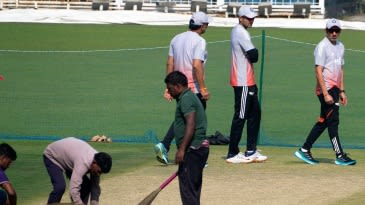
ESPNcricinfo has reported that the black-soil pitch at Eden Gardens is currently devoid of live grass, with expectations that only a couple of millimeters of cover will remain by the start of play. Unlike the docile, spin-friendly track seen recently at the Arun Jaitley Stadium in Delhi, the Kolkata surface is anticipated to offer good bounce, at least in the opening stages of the match.
However, cricket fans should expect the surface to slow down significantly by the halfway mark. This transition is expected to invite the elusive art of reverse swing into the fray, a weapon that has historically thrived at this venue.
Why Reverse Swing is the Hot Topic
Following India’s 3-0 series loss to New Zealand last year, the Indian team is reportedly wary of preparing “rank turners.” Consequently, the pitch has been curated to facilitate faster deterioration, which helps in roughening up the surface and aiding reverse swing. Statistical history supports this approach: in the last 15 years, fast bowlers at Eden Gardens have recorded an impressive wicket-taking percentage of 61%, claiming 97 wickets across six red-ball Tests.
Beyond the pitch itself, environmental factors are expected to assist the quicks. The cooler temperatures during the first hour of the morning and the final hour of the evening are likely to provide the lateral movement necessary to trouble even the most settled batters. These conditions suggest that the toss may not be as defining a factor as it often is on the subcontinent, giving both teams a fair chance to compete.
South Africa’s Spin Arsenal
South Africa enters the contest with momentum following a series-levelling victory in Rawalpindi against Pakistan. Interestingly, their recent success was built on the backs of their spinners—Senuran Muthusamy, Keshav Maharaj, and Simon Harmer—all of whom excelled in the Pakistan series. Whether these slow bowlers can translate that form onto a surface that is tailored for quicks remains the biggest question for the Proteas camp.
Historical Context at Eden Gardens
- 1996: South Africa secured a memorable victory on their first visit.
- 2004 & 2010: The Proteas suffered defeats in their subsequent visits to Kolkata.
- 2017: The last red-ball Test at the venue resulted in a draw against Sri Lanka.
- 2019: India triumphed in a pink-ball day-night Test against Bangladesh.
The Tactical Battle Ahead
While the outfield at Eden Gardens is known for its lightning-quick speed, the challenge for batters will intensify as the pitch slows and the ball begins to reverse. Teams will need to prioritize discipline and patience, particularly when the ball starts to show signs of age. For India, the match is an opportunity to assert dominance on a surface that challenges the traditional Indian spin-to-win blueprint. For South Africa, the challenge lies in adapting their recent spin-reliant strategies to the seam-friendly conditions expected in Kolkata.
As the countdown to November 14 continues, the cricketing world waits to see if the Eden Gardens track will indeed provide the fast-bowling spectacle it promises. Regardless of the outcome, the balance between the quicks and the batters on a classic black-soil surface is set to provide a classic Test cricket experience.