

[CRK]
Learning Under Pressure: A Strategic Perspective
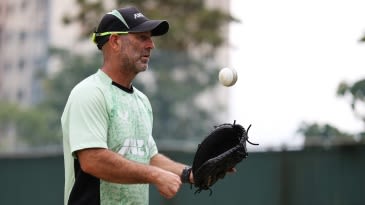
The recent three-match ODI series against Bangladesh proved to be a stern test for a New Zealand side significantly altered by the absence of marquee players currently fulfilling franchise commitments in the IPL and PSL. While the final result—a series loss after an initial 1-0 lead—might look disappointing on paper, head coach Rob Walter has adopted a distinctly pragmatic and optimistic outlook. For Walter, the value of the tour lies not in the scoreline, but in the rapid development of players who have spent months waiting in the wings.
The Value of Challenging Conditions
Competing amidst the unrelenting heat of Chattogram provided the perfect crucible for testing the mettle of New Zealand’s younger generation. Walter emphasized that there is no downside to this level of exposure. ‘You either find your way through or not,’ he remarked, noting that the pressure of facing a quality international side in foreign conditions acts as a catalyst for individual and collective growth. By placing fringe players in high-stakes scenarios, the coaching staff gains invaluable data on who can handle the rigors of the international game.
Key Performers and Emerging Talent
Among the standout positives was the return of fast bowler Will O’Rourke. Following an eight-month injury layoff, O’Rourke demonstrated his potential, particularly in the third ODI. His ability to hit the deck at speeds nearing 140kph while extracting movement off the pitch was a highlight. Walter praised the management of O’Rourke’s workload, noting that his performance improved with every game, proving that his fitness is trending in the right direction.
Equally impressive was 32-year-old Nick Kelly. Stepping up to open the innings, Kelly delivered back-to-back half-centuries, demonstrating a solid technical approach against variable bounce. While his innings in the third game was curtailed at 59, the experience provided him with clear insights into where he must refine his game to dominate at the international level. Walter believes this type of feedback is essential for players who are transitioning from domestic success to the global stage.
Building a Deeper Talent Pool
The broader strategy for New Zealand Cricket is centered on expanding the talent pool. With over fifty players currently involved in various international tours and leagues, the national setup is intentionally creating depth. Walter, highlighting the youth of his current squad, joked about a team photo featuring players with only four caps in the front row—a testament to the infusion of new talent.
This depth was tested further by injuries to Blair Tickner and the absence of Kristian Clarke. However, this allowed for the integration of players like Muhammad Abbas, a left-arm seam-bowling allrounder identified as having a high ceiling. Abbas’s ability to contribute under pressure in the heat of Bangladesh has provided the coaching staff with a clearer picture of his potential as a future pillar of the squad.
Looking Ahead: The Winter and Beyond
As the team transitions into the T20I leg of the tour, the focus remains on growth. The return of tearaway pacer Ben Sears following his PSL commitments will further bolster the bowling attack. For Walter, the focus is clear: ‘If we sort of park the result on the side and we are walking away stronger for it for sure.’
The lessons learned in the heat of Chattogram will undoubtedly pay dividends when the Black Caps return for the home summer. By prioritizing experience over immediate results, New Zealand is cultivating a resilient group capable of handling the diverse challenges of modern cricket. The development of genuine allrounders who can provide tactical flexibility remains a top priority, and the recent exposure of these players to international intensity is a crucial step in that evolution.