

A Crisis in Governance: The Fall of the BCB Board
In what is being described as one of the most significant shake-ups in the history of Bangladesh cricket, the national government has moved to dissolve the board of the Bangladesh Cricket Board (BCB). This drastic action follows the submission of a comprehensive report by a five-member investigation committee, led by former justice AKM Asaduzzaman, which found undeniable evidence of ‘serious abuse of power’ and procedural corruption within the organization.
The investigation was launched following widespread allegations concerning the October 2025 BCB elections. On Sunday, the committee presented its findings to the sports ministry, detailing a culture of intimidation and lack of transparency. The government acted with immediate effect, bringing an end to the tenure of the board led by Aminul Islam and ushering in a three-month interim period under an ad-hoc committee.
Detailed Findings of Vote-Rigging and Coercion
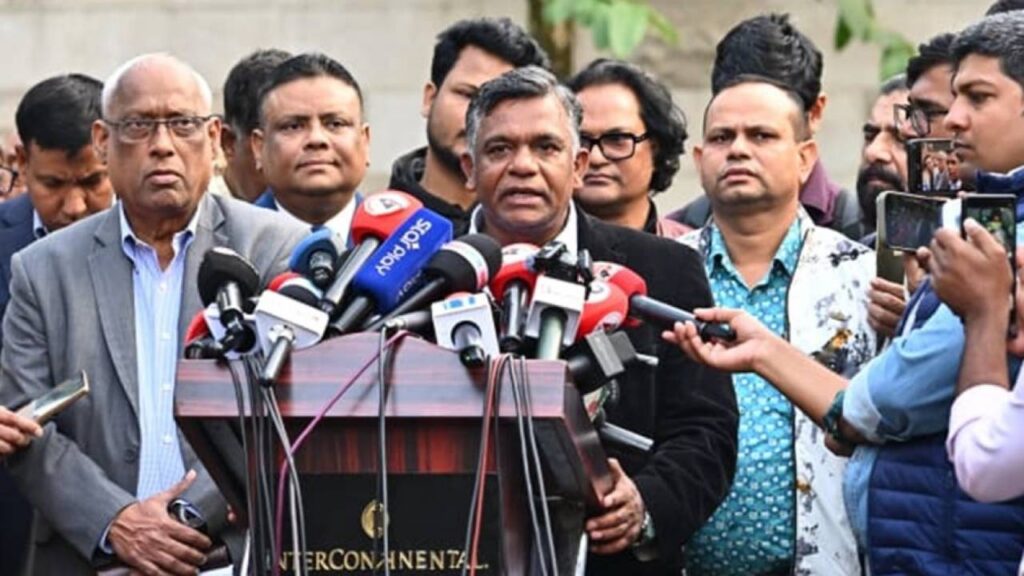
The report released by the National Sports Council (NSC) paints a bleak picture of the election process. Mohammad Aminul Ahesan, the NSC sports director, addressed the media on Tuesday afternoon, confirming that the 2025 elections were neither free nor fair. “Voters were intimidated and procedural irregularities were rampant,” Ahesan stated, reading from the government’s official report.
One of the most critical findings involved the manipulation of deadlines for councillor nominations. The committee confirmed that the BCB leadership extended submission deadlines for district and division sports associations with “ulterior motives.” Originally set for September 17, the deadline was pushed back multiple times to September 22. The investigation concluded that these extensions were designed to bypass original nominees and install preferred individuals who would support the incumbent leadership.
The Unilateral Reach of Aminul Islam
Central to the controversy is the former BCB president, Aminul Islam. The investigation revealed that Aminul acted well beyond his constitutional authority. Specifically, he was found to have unilaterally selected ten former cricketers as councillors to vote in Category 3 of the elections. Under Article 9.3.3 of the BCB constitution, the president does not possess the power to make such nominations independently.
Furthermore, the committee noted a lack of cooperation from the outgoing administration. Aminul Islam had notably refused a face-to-face interview with the investigators, opting instead to provide a written response. The committee’s report noted that no audio or video records existed of the board meeting where Aminul claimed he was authorized to select these councillors, leading the investigators to infer that he had acted in direct violation of the board’s governing principles.
The Sheraton Hotel E-Voting Scandal
Perhaps the most shocking revelation in the report concerns the integrity of the e-voting process. The committee found that e-voting was not conducted with the necessary confidentiality required for a democratic election. Instead, evidence suggested that the process was pre-planned and centralized at the Sheraton Hotel in the capital on the night of October 5.
Voters interviewed by the committee described a scenario where they were gathered in one place to cast their electronic votes despite having the opportunity to vote directly at polling stations. The report labeled this a clear case of vote-rigging, noting that the gathering at the hotel was a strategic move to ensure the outcome favored the existing board members, including Aminul and former director Nazmul Abedeen Fahim.
A New Era: Tamim Iqbal Takes the Helm
As the government dissolves the previous administration, a new 11-member ad-hoc committee has been formed to manage the BCB for the next three months. In a poetic turn of events, former Bangladesh captain Tamim Iqbal has been appointed as the new BCB president. Tamim had been a vocal critic of the previous board, specifically accusing Aminul Islam of an abuse of power just weeks before the controversial election last year.
The transition marks a significant moment for Tamim, who now transitions from a legendary playing career to a pivotal administrative role. His primary task, along with the ad-hoc committee, will be to oversee the daily operations of the BCB and prepare the groundwork for new, transparent elections that adhere strictly to the constitution.
Addressing Systemic Corruption
The investigation also touched upon other high-ranking officials. Former Bangladesh captain and then-vice president Faruque Ahmed was found to have received undue advantages, including the acceptance of his nomination after the official deadline had passed. This systemic failure highlights the depth of the reform required within the NSC and the BCB.
The sports ministry has indicated that this dissolution is the first step in a broader effort to sanitize the administration of sports in Bangladesh. With the findings of the AKM Asaduzzaman committee now public, the focus shifts to whether further legal actions will be taken against those found to have violated the BCB constitution and democratic principles.
For now, the cricket-loving public of Bangladesh looks toward Tamim Iqbal and his team to restore the prestige of the BCB and ensure that the sport is governed with the transparency and fairness it deserves.