
The Atmosphere Behind the Asia Cup 2025 Drama
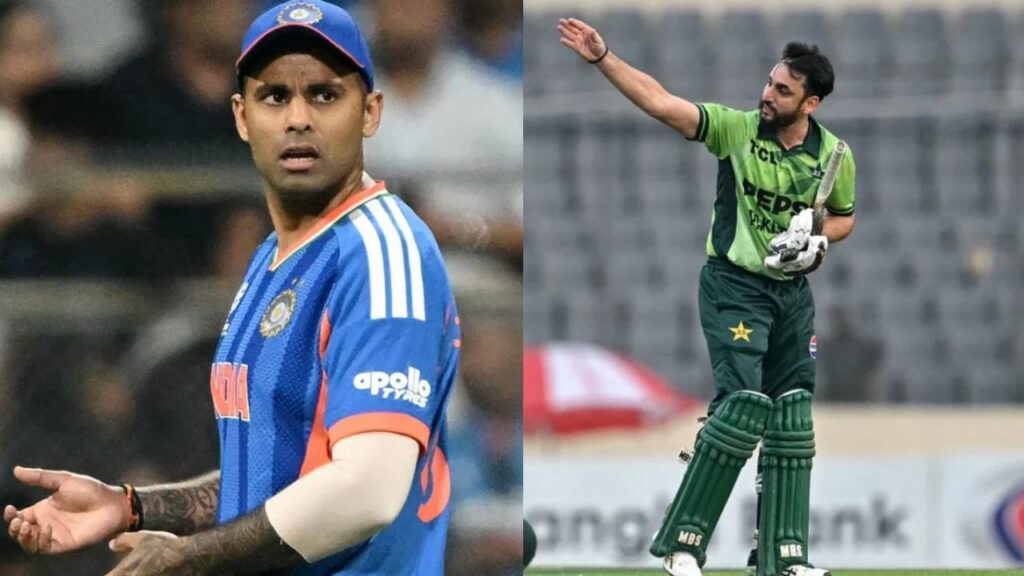
The rivalry between India and Pakistan is widely regarded as the most intense fixture in world cricket, transcending the sport itself. However, the Asia Cup 2025 clash added a layer of complexity and acrimony that few expected. At the heart of the discourse was the ‘no-handshake’ incident, a moment that sparked debate across the cricketing globe. Now, Pakistan skipper Salman Ali Agha has stepped forward to provide his account of the events, challenging the narrative surrounding the Indian team’s behavior.
What Triggered the Controversy?
The tension was palpable even before the first ball was bowled. Fans and analysts noted an unusual absence of the traditional pre-toss handshake, a gesture that has long symbolized the spirit of the game. The situation escalated following India’s victory, which was punctuated by Suryakumar Yadav smashing a massive six to seal the game. Instead of the customary post-match handshakes, the Indian contingent, including captain Suryakumar Yadav and Shivam Dube, proceeded directly toward their dressing room.
This departure from tradition was perceived by the Pakistan team as a slight against the etiquette of international cricket. The tension was further heightened when Suryakumar Yadav utilized his post-match platform to pay tribute to the victims of the Pahalgam terror attack, a move that carried significant emotional weight in the geopolitical climate.
Official Reactions and ICC Involvement
Following the incident, the Pakistan Cricket Board (PCB) sought formal recourse by filing an official complaint with the International Cricket Council (ICC). The PCB alleged that match referee Andy Pycroft failed to manage the situation effectively and questioned his impartiality. PCB chairman Mohsin Naqvi was reportedly vocal in his dissatisfaction, even requesting that Pycroft be removed from future officiating duties during the tournament. However, the ICC dismissed the claims, maintaining that no official protocols were violated by the Indian team.
The BCCI, on the other hand, stood firm, asserting that the act of shaking hands is not a mandatory requirement under ICC playing conditions, thereby backing the discretion of their players.
Salman Ali Agha’s Inside Perspective
Speaking candidly about the sequence of events, Salman Ali Agha revealed that the decision to forgo the handshake was not a spontaneous outburst but something he had been forewarned about. According to Agha, the interaction had been managed by the match referee prior to the toss.
Key insights from Agha’s account include:
- Pre-Match Protocol: Agha noted that handshakes had occurred during earlier promotional events, such as the press conference and the trophy shoot, suggesting the animosity was contained specifically to the on-field match moments.
- The Referee’s Warning: Agha claimed the match referee pulled him aside before the toss to clarify that the traditional handshake would not be happening, advising him to prepare accordingly.
- The Post-Match Frustration: Despite the prior warning, Agha expressed genuine disappointment after the match concluded. He stated that the Pakistan team approached the Indian side in the spirit of sportsmanship, only to be met with the same cold indifference that had defined the toss.
“When I went for the toss, the match referee took me aside and said, ‘Friend, this handshake will not happen like this, so please see to it.’ I said I have also no interest in shaking hands,” Agha remarked during his discussion. He emphasized that the Pakistan team was prepared to move past the loss, but the refusal to engage in standard post-match pleasantries left a sour taste.
Looking Ahead: What’s Next for the Rivalry?
As the cricket world looks forward to the next inevitable showdown—likely at the ICC Men’s ODI World Cup 2027—questions remain regarding the long-term impact of this incident. Will the traditional handshake be restored, or has this ‘no-handshake’ protocol become the new, uncomfortable reality of India-Pakistan encounters? For now, the sporting world is left to reflect on whether the spirit of the game can bridge the divide, or if political and social sensitivities will continue to dictate the behavior of players on the pitch. Agha’s revelations provide a necessary human element to the controversy, reminding fans that behind the jerseys and the rankings, the players themselves are navigating an incredibly pressurized environment.