
A New Era for the Rajasthan Royals
In a late-breaking development that has sent ripples through the cricketing world, the Rajasthan Royals have been acquired by a powerful consortium led by Indian billionaires Lakshmi Mittal and Adar Poonawalla. The deal, valued at approximately US $1.65 billion (roughly INR 15,660 crore), marks a significant milestone in the valuation of cricket franchises globally.
The Structure of the Acquisition
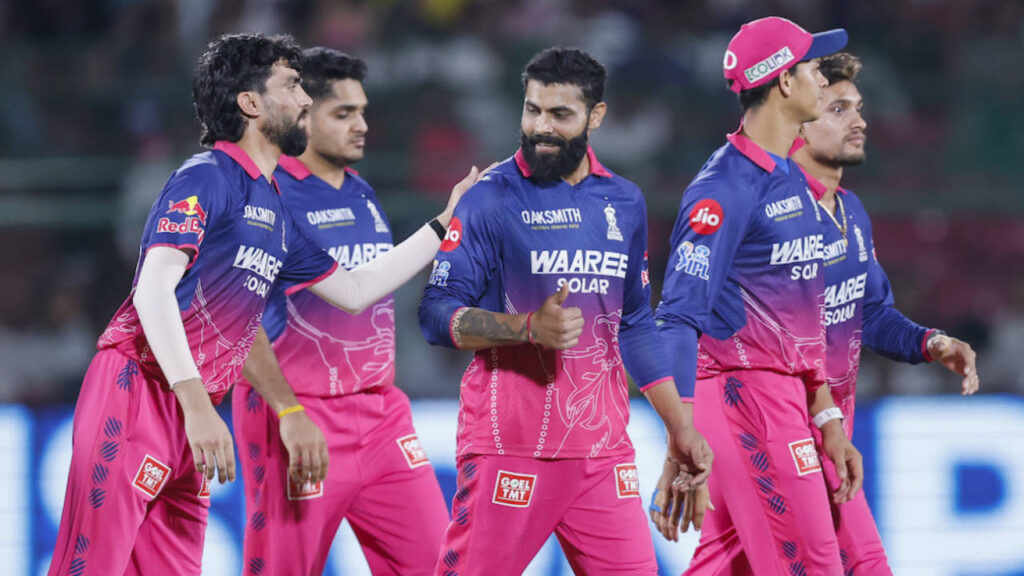
The acquisition encompasses the entire Rajasthan Royals franchise portfolio, including the brand’s international interests, specifically the Paarl Royals in the SA20 league and the Barbados Royals in the Caribbean Premier League (CPL). According to the official statement, the Mittal family will assume a majority stake of approximately 75%, while Adar Poonawalla will hold an 18% interest. The remaining 7% stake will be retained by existing investors, including the team’s long-term leader, Manoj Badale.
The Collapse of the Previous Bid
This transaction follows a previous, ultimately unsuccessful, agreement involving a high-profile US-based group of sports investors. Back in March, a consortium led by tech entrepreneur Kal Somani—which included NFL owners Rob Walton and Michael Hamp—had entered a deal worth $1.635 billion. That bid had successfully navigated intense competition from high-net-worth individuals and corporate groups, including Manchester United co-owner Avram Glazer and the Aditya Birla Group. While the reasons for the failure of the Somani-led deal remain undisclosed, the shift toward the Mittal-Poonawalla partnership appears to be a definitive conclusion to the saga.
From Humble Beginnings to Billion-Dollar Valuation
The journey of the Rajasthan Royals is a testament to the meteoric rise of the Indian Premier League. When the league was founded in 2008, the franchise was purchased by UK-based Emerging Media, led by Manoj Badale, for a modest US $67 million. Today’s sale price of $1.65 billion represents a staggering 58-fold increase in value over the past 18 years, illustrating the sheer economic power and brand equity the IPL has cultivated.
Strategic Vision and Leadership
The new ownership group brings immense global business acumen to the franchise. Lakshmi Mittal, the steel magnate, and Adar Poonawalla, head of the Serum Institute of India, were among several parties aggressively seeking to enter the IPL ecosystem. Upon completion of the sale, which is expected during the third quarter of 2026 pending BCCI and Competition Commission of India approvals, a new Board will be formed.
The board will feature Lakshmi Mittal, Aditya Mittal, Vanisha Mittal-Bhatia, Adar Poonawalla, and Manoj Badale. Badale’s continued presence is viewed as a strategic move to ensure continuity. As the statement noted, he will act as a ‘bridge between the past and the present,’ leveraging his deep institutional knowledge of the franchise.
Emotional Connections to Rajasthan
For Lakshmi Mittal, the acquisition is personal. Born in Sadulpur, North Rajasthan, he expressed his enthusiasm for the project: ‘I love cricket and my family is from Rajasthan, so there is no IPL team that I would rather be part of than the Rajasthan Royals.’ His son, Aditya Mittal, emphasized the goal of continuing the franchise’s legacy of nurturing young, world-class talent to ensure sustained future success.
Reflecting on the Future
Manoj Badale expressed his pride in building the IPL into the world’s most successful cricket league and his confidence in the new owners. ‘We are delighted to welcome the Mittal family and Adar Poonawalla as the new owners. Their passion for cricket, their connection to Rajasthan and India, and their long-term ambition for the franchise make them ideal custodians of the next chapter,’ Badale said. As the Rajasthan Royals transition into this high-profile ownership, fans and analysts alike will be watching closely to see how this infusion of capital and leadership shapes the future of the ‘Royals’ brand on both the domestic and international stages.