

The Strategic Shift in Australian Cricket
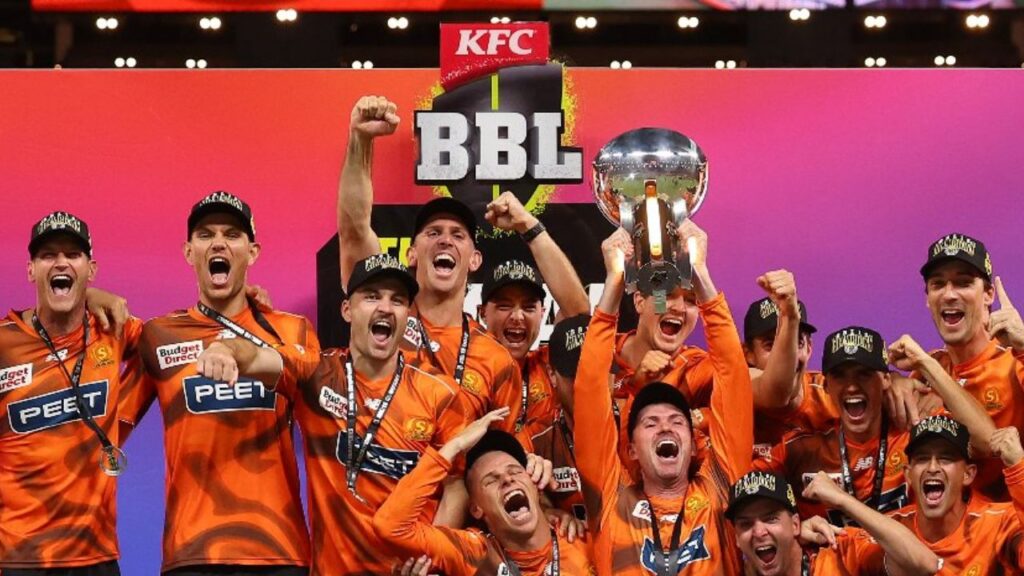
The landscape of Australian domestic cricket is currently navigating a period of significant transition. Cricket Australia (CA) has officially entered the next phase of its ambitious plan to privatise Big Bash League (BBL) clubs, a move that has sparked a high-stakes debate among the state associations that manage the game at the grassroots and elite levels. Despite vocal opposition from powerful entities like New South Wales (NSW) and Queensland, CA remains committed to testing the market value of select teams, specifically the Melbourne Renegades, Perth Scorchers, and Hobart Hurricanes.
Understanding the Privatisation Divide
The rift within Australian cricket became strikingly apparent last week when Queensland joined New South Wales in blocking a blanket sale of all eight BBL franchises. While the result was a unified rejection of the full-scale plan, the motivations behind these decisions vary significantly. Victoria, Western Australia, and Tasmania have expressed a willingness to explore potential investor interest, signalling a clear split in how different states view the financial future of the sport.
South Australia, meanwhile, maintains a more cautious stance, choosing to wait and observe the success of the initial batch of sales before committing. CA chief executive Todd Greenberg has acknowledged this fragmented response, admitting that while the original goal of selling all eight clubs simultaneously is no longer viable, the process of privatisation remains an inevitable evolution for the league.
Decoding the Ownership Structure
To understand the current tension, one must look at the legal framework governing the BBL. Importantly, the state associations do not technically own the BBL franchises. Cricket Australia holds the ownership of all eight teams, while the states currently operate under 30-year leases. As these teams approach the midpoint of their lease agreements, CA’s proposal involves allowing states to sell between 49% and 75% of their franchise to private investors, with cash injections provided by CA to facilitate the transition.
Investor Influence and Governance
A critical concern for many stakeholders is the extent of control private investors will exert. Under CA’s proposed terms, investors holding less than 50% equity would possess no direct authority over cricket-related decisions or broader state cricket operations. If a state opts for a majority sale, the investor would gain a seat at the table, though they would ultimately be just one of eight votes in BBL decision-making processes, ensuring that the integrity of the league remains somewhat shielded from individual commercial agendas.
The Arguments Against Privatisation
New South Wales has been particularly vocal in its opposition, presenting a counter-proposal that focuses on an internal, self-funding model. Cricket NSW argues that the league is far from broken and that there are significant opportunities to optimize existing revenue streams—such as ticketing, broadcast rights, and commercial partnerships—without resorting to external privatisation.
Furthermore, there is a principled objection to increasing ties with wagering operators. In a formal letter to members, Cricket NSW stated, “Cricket NSW is not seeking to strengthen ties to wagering operators via advertising, sponsorships or increased betting offerings to fund the game.” This highlights a deeper ideological clash between those prioritising immediate capital influxes and those concerned with the long-term ethical standing of the sport.
The Shadow of the IPL
Underpinning the anxiety surrounding this debate is the growing influence of Indian Premier League (IPL) franchise owners. With IPL-linked groups already making significant inroads into global leagues like The Hundred in England, there is a tangible fear that similar patterns of influence—such as team rebranding and control over player retention—could fundamentally alter the identity of the BBL. While proponents of the sale argue that private investment is necessary for growth, sceptics worry about the loss of sovereignty over Australian cricket’s unique culture.
What Lies Ahead?
The forthcoming market test will provide Cricket Australia with the concrete data it requires: actual valuations, a list of interested parties, and the terms they are willing to accept. For states like Victoria, Western Australia, and Tasmania, the decision to proceed will ultimately rest on whether the market offers a valuation that justifies the surrender of partial operational control. As the debate continues, the sport stands at a crossroads, forced to balance the allure of modern financial sustainability against the values that have defined Australian cricket for decades.