
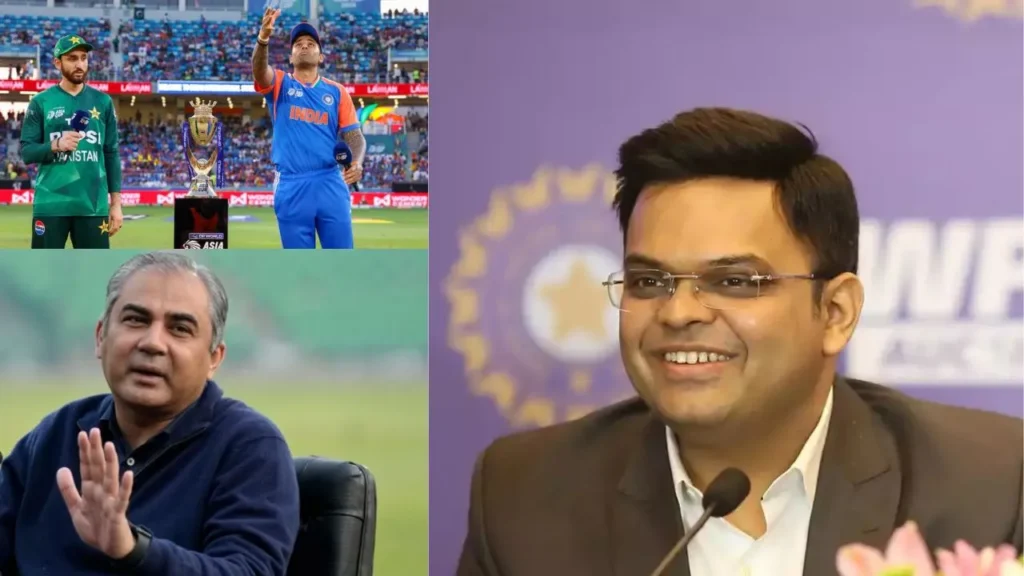
A Clear Stance on Indo-Pak Sporting Ties
The landscape of cricket and international sports between India and Pakistan has long been a subject of intense debate and speculation. Recently, the Indian government provided much-needed clarity through an official Office Memorandum issued by the Sports Ministry. This policy outlines a distinct framework for how the nation will engage with Pakistani athletes and sports officials moving forward.
Multilateral Events: The Open Door Policy
At the heart of the new government directive is a commitment to the spirit of global competition. The policy explicitly confirms that Pakistani players and teams will be permitted to participate in multilateral events hosted on Indian soil. This is a significant development, particularly for cricket fans eagerly anticipating ICC tournaments hosted by India. The government has pledged to facilitate a supportive visa regime, ensuring that athletes and officials from the neighboring country can enter India to compete in these international spectacles.
By aligning with the practices of international sports governing bodies, India aims to maintain its reputation as a premier host for major global events without compromising its broader geopolitical stance. This approach ensures that fans of the game do not miss out on witnessing the fiercest rivalries on the world stage during tournaments like the ICC World Cup or the Champions Trophy.
The Bilateral Ban: Maintaining the Status Quo
While the door is open for multilateral events, the government was equally emphatic regarding bilateral engagements. The policy maintains a strict prohibition on bilateral sporting ties between the two nations. This means that, for the foreseeable future, the Indian cricket team will not travel to Pakistan for bilateral series, nor will the government grant permission for Pakistani teams to tour India for exclusive bilateral competitions.
The official statement clarifies the rationale: “In so far as bilateral sports events in each other’s country are concerned, Indian teams will not be participating in competitions in Pakistan. Nor will we permit Pakistani teams to play in India. We are guided by the practices of international sports bodies and the interest of our own sportspersons.”
Why This Distinction Matters
Sports and diplomacy have always been intrinsically linked in the subcontinent. The distinction between multilateral and bilateral events is a strategic one. Multilateral events are governed by international bodies such as the ICC, and host nations are generally expected to welcome all qualified teams to maintain the integrity of the tournament. By permitting participation in these forums, India upholds its international obligations while continuing to exert a hardline stance on direct, state-to-state bilateral sporting relations.
For cricket enthusiasts and stakeholders, this policy serves as a definitive roadmap. It removes ambiguity for sports federations and event organizers, setting clear expectations for future planning. While cricket purists may continue to hope for the restoration of traditional home-and-away series, the current government directive underscores that domestic policy and national interests remain the guiding principles for such decisions.
Looking Ahead
As the international cricket calendar continues to evolve, this policy will likely remain the touchstone for all future interactions. Athletes and fans can now proceed with the understanding that while the biggest global stages will continue to host these iconic face-offs, the traditional bilateral tours remain off the table. As always, the priority remains the safety, sovereignty, and strategic interests of the nation and its sportspersons.