
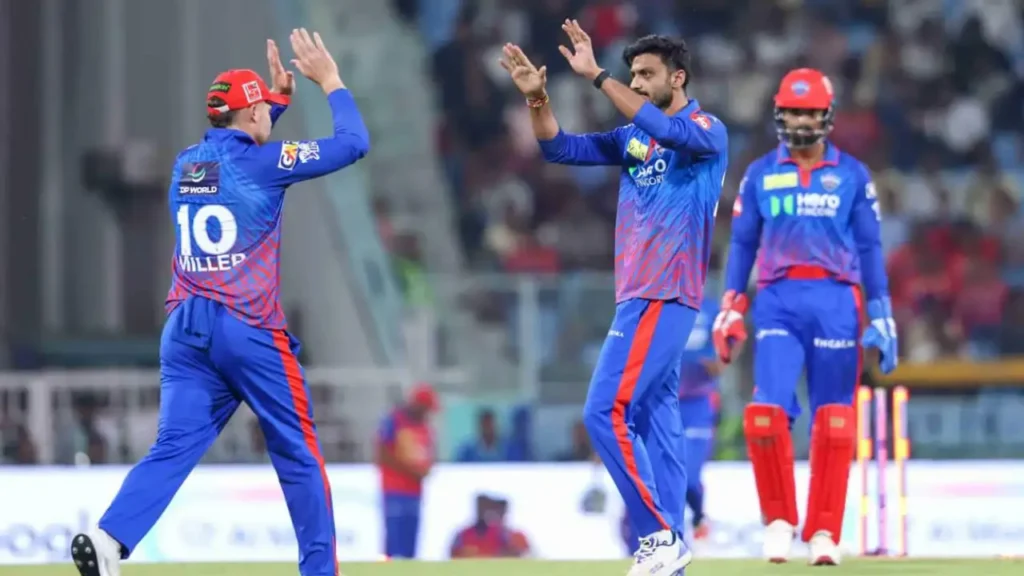
A Franchise at a Crossroads
The Delhi Capitals, a franchise that has been a staple of the Indian Premier League since its inception, finds itself in the midst of a perfect storm. With a dismal record of six losses in ten matches during the ongoing IPL 2026 season, the team is staring down the barrel of an early exit from the playoff race. However, the crisis extends far beyond the boundary ropes, as the franchise’s leadership is now under intense scrutiny.
For years, the Delhi Capitals have struggled to secure their maiden IPL title, and the mounting pressure of another failed campaign has forced the ownership groups—GMR and the Jindal Group—to reconsider the very structure of their operations. Currently, the franchise operates under a unique power-sharing model where both groups rotate control of the team every two years. Critics and insiders alike argue that this short-term cycle has prevented the team from developing a consistent, long-term identity.
The Proposal for Structural Stability
According to recent reports, the GMR group is pushing for a significant change to this management cycle. They are proposing to extend the control period from two years to three years. The logic behind this move is straightforward: stability. By allowing one group to hold the reins for a longer duration, the franchise hopes to foster a more cohesive strategy for team building, coaching appointments, and recruitment.
The timing of this proposal is deeply tied to the IPL mega auction cycle. With a three-year window, management would have the autonomy to build a squad during a mega auction and nurture that vision without the immediate fear of a management turnover halfway through the cycle. While the Jindal Group is currently slated to take the lead in 2027, both parties are expected to hold formal discussions regarding this structural evolution immediately following the conclusion of the 2026 tournament.
The Performance Disparity
Historically, the results have been anything but consistent under this dual-control model. Interestingly, data shows that the franchise experienced significant success and reached the playoffs multiple times during the Jindal Group’s tenure. Conversely, the periods under GMR’s direct control have been marked by greater volatility, which has only added fuel to the fire regarding how the future of the Capitals should be managed.
Kuldeep Yadav’s Dip in Form Adds to the Woes
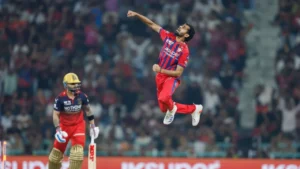
As the front-office battles loom, the immediate concern remains the team’s performance on the pitch. The recent 8-wicket defeat at the hands of the Chennai Super Kings (CSK) served as a painful reminder of how far the team has fallen. A major point of contention has been the lackluster form of star spinner Kuldeep Yadav.
Kuldeep, usually a reliable match-winner, has struggled immensely in 2026. With an economy rate climbing above 10 and a meager tally of only 7 wickets in 10 matches, his form has become a lightning rod for criticism. Head coach Hemang Badani has publicly defended the spinner, emphasizing that the team remains committed to helping him find his rhythm.
Badani told the media, “We would ideally want Kuldeep to be better than this. But we will rally around him. He’s been somebody who’s been a part of this side for many years. He can turn this around.” The coach noted that the primary issue appears to be a lack of rhythm and a decrease in bowling speed, rather than a lack of skill. “It’s a question of time. We have faith in him,” Badani added.
What Lies Ahead?
The Delhi Capitals are clearly in a transition period. Whether it is the proposed shift to a three-year management cycle or the need to revitalize veteran players, the franchise is at a pivotal junction. Fans and analysts will be watching closely to see if this potential administrative overhaul can finally provide the stability required to bring home that elusive IPL trophy in the coming years. For now, the focus remains on finishing the 2026 season with dignity, but the boardroom discussions in the coming months will likely define the future trajectory of the Capitals.