
A Decision That Shook the Cricket World
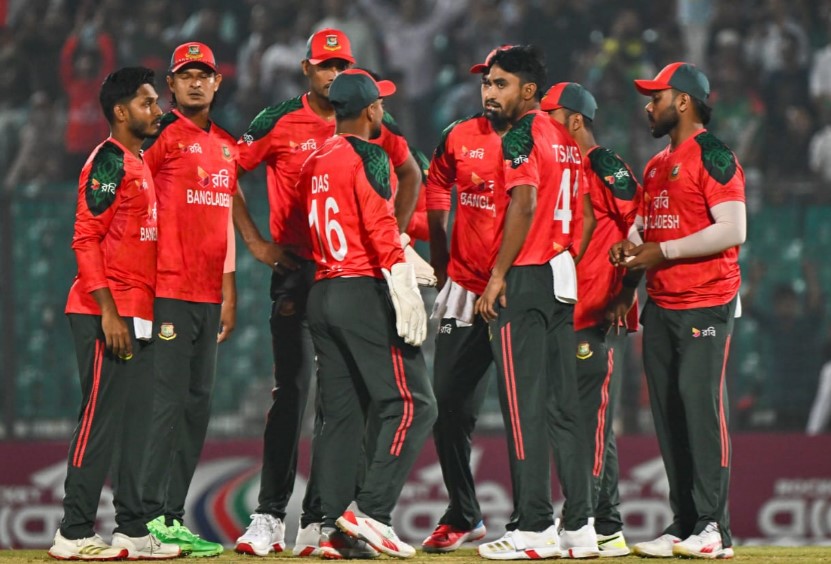
Participating in an ICC Men’s T20 World Cup is the pinnacle of a cricketer’s career, representing the culmination of years of hard work and dedication. For the Bangladesh national team, which had been demonstrating exceptional form and tactical growth, the prospect of competing on the global stage was a major goal. However, the cricketing landscape was stunned when the Tigers announced their withdrawal from this year’s tournament. The decision was not merely a sports-related choice; it was a complex fallout rooted in geopolitical tensions and concerns over national security.
The Catalyst: Beyond the Boundaries
The situation began to simmer amidst growing dissatisfaction regarding the treatment of star pacer Mustafizur Rahman. Reports surfaced indicating that his exclusion from the Indian Premier League (IPL) created significant friction. While this served as an early indicator of cooling relations, the eventual decision to skip the World Cup signaled that the issues ran much deeper than individual player contracts.
Asif Nazrul on the Security Assessment
In a candid interview with BBC Bangla, former sports adviser Asif Nazrul provided much-needed clarity on the government’s stance. According to Nazrul, the decision to withdraw was primarily dictated by an independent security assessment that Bangladesh found both baffling and insulting. He revealed that the report highlighted three distinct risks that, upon closer inspection, appeared to be grounded in subjective bias rather than objective reality.
The three concerns listed in the assessment included:
- The participation of Mustafizur Rahman in the tournament.
- The free movement of Bangladeshi fans across host venues.
- The proximity of national elections back home.
Nazrul expressed his frustration, noting, “After reading those points, we felt—are they joking with us? All three things were bound to happen. Mustafizur would play, Bangladeshi fans would travel, and elections would take place.”
A Lack of Serious Engagement
The situation escalated when Bangladesh challenged the findings of the report. In response, the assessing body issued a second report with significantly “softened” language. Rather than providing reassurance, this pivot had the opposite effect on the Bangladeshi leadership. Nazrul explained that the inconsistent reporting led the interim government to believe that the security concerns were not being taken seriously and that Bangladesh was not being afforded the respect or transparency required for such a high-profile event.
Geopolitical Tensions and Safety Concerns
Beyond the immediate cricket concerns, the interim government had to consider the broader implications. With elections approaching in Bangladesh, the risk of any untoward incident occurring abroad carried the potential for severe domestic repercussions. The government felt that the lack of proactive communication from Indian authorities to provide concrete security assurances left them in a state of uncertainty.
“If any serious incident happened, the impact could have affected Bangladesh badly. That was a major worry,” Nazrul stated. Ultimately, the lack of engagement and the failure to provide a robust security framework meant that the Bangladesh government felt it was in the country’s best interest to prioritize safety over participation.
Conclusion: A Diplomatic Crossroads
The absence of Bangladesh from the T20 World Cup remains a significant talking point in sporting circles. It serves as a stark reminder of how cricket cannot always be separated from the geopolitical climates in which it operates. While the fans were left disappointed, the government’s decision underscores the weight of responsibility that comes with managing a national team in an era of heightened sensitivity. As cricket moves forward, this episode remains a cautionary tale of the importance of clear communication and mutual respect between cricketing nations.