
Standing Tall: The Reasoning Behind Bangladesh’s T20 World Cup Absence
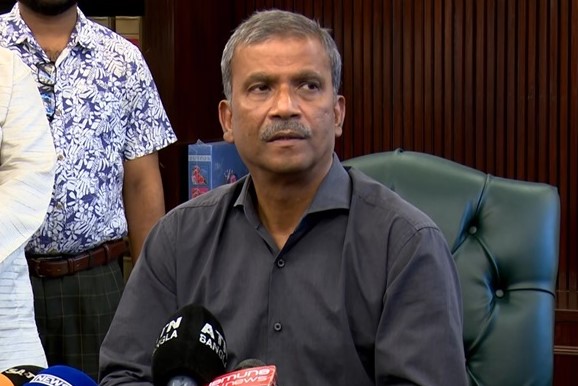
In the high-stakes world of international cricket, national participation in major tournaments is typically a given. However, Bangladesh’s decision to sit out the T20 World Cup sent shockwaves through the sporting community. While the move was met with intense public debate, former youth and sports adviser Asif Nazrul has recently offered a definitive explanation for the choice, framing the absence not as a failure, but as a symbolic victory for national pride.
Defining the ‘Backbone’ of a Nation
For Asif Nazrul, the decision to withdraw from the tournament was rooted in deeper issues of self-respect and sovereignty. According to his recent statements to BBC Bangla, the move was specifically intended to send a strong message regarding the nation’s stance toward India and to address lingering grievances regarding security and mutual respect.
“When our security concerns are treated lightly and insulting us becomes easy, we needed to show that we can respond. We set an example that we also have a backbone. Isn’t that an achievement?” Nazrul stated, emphasizing that the intrinsic value of national self-respect outweighs the temporary prestige of competing in a global cricket event.
Addressing the Economic and Sporting Fallacy
At the time of the withdrawal, many critics predicted severe repercussions for the Bangladesh Cricket Board (BCB). Fears regarding financial penalties, bans from the International Cricket Council (ICC), and a decline in future hosting opportunities were rampant. Yet, the reality has proven to be quite different.
Nazrul was quick to dispel the narrative of looming disaster. He noted that the ICC did not impose any punitive measures against the nation for their non-participation. In fact, he claims the organization has since signaled a willingness to provide Bangladesh with greater opportunities to host future ICC events. This revelation challenges the initial narrative that skipping the World Cup would result in total isolation for Bangladesh cricket.
“There were claims that Bangladesh would suffer huge losses if we didn’t play in the World Cup,” Nazrul remarked. “But where is the loss? Aren’t foreign teams still coming to Bangladesh to play?” He points to the continued presence of international touring teams as proof that the cricketing ecosystem in the country remains robust and resilient.
Navigating the Storm of Criticism
Despite the justification provided by the former sports adviser, the decision remains a polarizing topic. Critics have continued to question whether the withdrawal was a strategic error that deprived players of vital exposure and fans of the joy of watching their national team on the world stage.
When faced with this ongoing backlash, Nazrul remained unfazed. He attributed much of the negative feedback to the inherent nature of public discourse in Bangladesh. “Do you think not going to the World Cup would silence criticism? Is that even possible in Bangladesh? Here, some people decide they will blindly criticize someone. No matter what you do, the same things will be repeated again and again,” he explained.
Looking Ahead: The Future of Bangladesh Cricket
The controversy surrounding the T20 World Cup highlights the complex intersection of sports, politics, and national identity. For the supporters of the government’s decision, it represents a bold refusal to be treated as a secondary player on the international stage. For the detractors, it is a missed opportunity for sporting advancement.
As Bangladesh moves forward, the focus will likely shift toward domestic development and future international series. With the assurance of continued support from the ICC and a clear message sent to the global cricketing community, the chapter of the T20 World Cup withdrawal serves as a reminder that for many, cricket is about more than just the scoreboard; it is about the posture of the nation it represents. Whether or not this “show of backbone” will yield long-term benefits for the sport remains a subject of intense interest for cricket enthusiasts and political observers alike.