
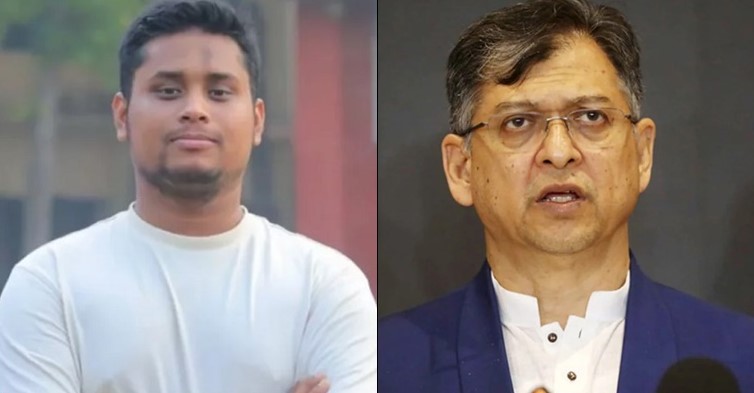
BCB Overhaul: Hasnat Abdullah Criticizes New Ad-hoc Committee Appointments
A New Chapter or Old Habits? The BCB Restructuring Controversy
The Bangladesh Cricket Board (BCB) is currently at the center of a significant administrative storm. Following widespread allegations of vote manipulation and procedural irregularities during the most recent election cycle, the National Sports Council took decisive action on April 7. The previous board was officially dissolved, paving the way for a major leadership shake-up designed to restore integrity to the governing body of Bangladesh cricket.
The Formation of the Ad-hoc Committee
In the wake of the dissolution, an 11-member ad-hoc committee was hastily assembled to manage the board’s affairs during this transitional period. Notably, the committee is headed by none other than former Bangladesh national team captain Tamim Iqbal. The appointment of a cricket icon as chairman was initially met with optimism, as stakeholders hoped his experience and reputation would provide the stability needed to steer the BCB toward a more transparent future.
The Shadow of Political Influence
However, the composition of the remaining committee members has ignited a fiery debate that has moved from social media circles to the halls of parliament. Concerns have been raised regarding the inclusion of individuals with strong ties to prominent political families. Specifically, the committee features:
- Rashna Imam: Wife of MP and State Minister for Education, Bobby Hajjaj.
- Mirza Yasser Abbas: Son of MP and Adviser, Mirza Abbas.
- Syed Ibrahim Ahmed: Son of MP and Home Minister, Salahuddin Ahmed.
- Israfil Khasru: Son of Finance Minister, Amir Khasru Mahmud Chowdhury.
Critics argue that these appointments reflect a systemic issue where political influence continues to permeate the sport’s administrative levels. This trend is not necessarily new to the subcontinent, where sports administration and politics have long intersected, yet the optics of this specific committee have drawn sharp rebukes from those demanding a meritocratic approach to cricket governance.
Hasnat Abdullah’s Parliamentary Stand
The discourse reached the floor of the parliament, where MP Hasnat Abdullah voiced strong opposition to the selection process. In a pointed critique, Abdullah remarked that the BCB has effectively been transformed into a “family-influenced” body, suggesting that the spirit of fair representation has been compromised. His comments underscore a growing public demand for a BCB that operates independently of the political dynasties that dominate other spheres of national life.
The Government’s Defense
In response to the mounting pressure, Home Minister Salahuddin Ahmed took to the parliamentary floor to defend the government’s decision-making process. He maintained that the dissolution of the previous board was a necessary step, justified by the findings of the investigation committee tasked with probing electoral irregularities. Ahmed insisted that the committee members were chosen based on their own merits and that the presence of accomplished cricketers under Tamim Iqbal’s leadership serves as a clear indication of the government’s commitment to the sport’s health.
Addressing the allegations of nepotism, the Minister stated that the current administration is focused on rectifying past wrongs. He emphasized that the primary goal is to establish a credible framework for the future of the game, rather than perpetuating any specific political agenda.
Looking Ahead: The 90-Day Mandate
The road ahead for the Tamim-led committee is narrow and demanding. The ad-hoc body has been granted a strict 90-day mandate to oversee the administrative affairs of the BCB. Their primary responsibility is to overhaul the electoral process and ensure that a legitimate, democratically elected board is established by July 6.
As the clock ticks toward this deadline, the eyes of the cricketing world are fixed on the BCB. Whether this period of transition leads to a new era of transparency or continues the cycle of political influence remains to be seen. For now, the fans and stakeholders wait, hoping that the final outcome will prioritize the growth and integrity of Bangladesh cricket above all else.