
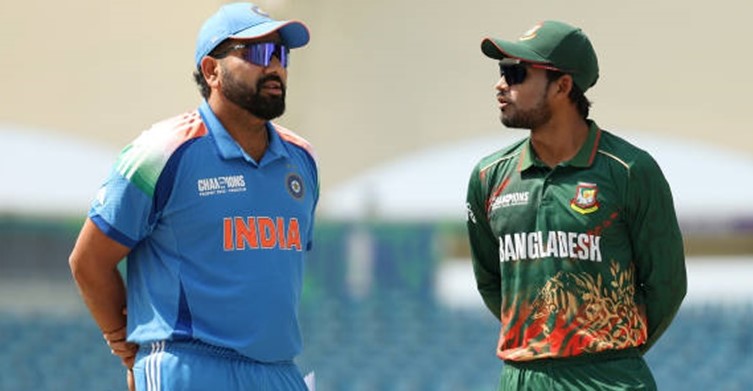
BCB Reaches Out to BCCI: A Step Toward Renewed Cricket Ties
A New Chapter for India-Bangladesh Cricket Relations
In the world of international cricket, diplomatic ties between nations often play a crucial role in shaping the sporting calendar. Recently, the Bangladesh Cricket Board (BCB) has taken a proactive step to mend and strengthen its relationship with the Board of Control for Cricket in India (BCCI). This development comes at a significant time, following a period of cooling relations that had previously cast uncertainty over future bilateral engagements.
The Context Behind the Outreach
The recent history between the two cricketing boards has been marked by several points of contention. The discourse intensified after Mustafizur Rahman’s absence from the Indian Premier League (IPL) drew widespread attention. Simultaneously, the situation was further complicated by the Bangladesh interim government’s decision not to send their World Cup team to India, citing security concerns. These events created a palpable rift, casting a shadow over the traditionally close relationship between the neighboring cricketing nations.
However, with the arrival of a newly elected government in Bangladesh, there has been a noticeable shift in diplomatic focus. Recognizing the importance of sports diplomacy, the BCB has signaled its intent to rebuild bridges with its Indian counterparts.
Inside the BCB’s Communication with the BCCI
The BCB’s decision to send an official letter to the BCCI was not merely a symbolic gesture but a structured effort to realign on pending commitments. Cricket Operations chairman Nazmul Abedeen Fahim shed light on the nature of this correspondence, emphasizing that it was a standard procedure aimed at fostering professional cooperation.
“India are scheduled to tour Bangladesh in September,” Fahim noted, highlighting the immediate focus of the discussions. He further explained that the communication addressed unresolved logistical matters, such as the previously postponed tour of the Bangladesh women’s team to India. By raising these points, the BCB is clearly aiming to clear the slate and ensure future tours proceed without disruption.
Is This Routine or Strategic?
While some observers might view this letter as a response to the recent diplomatic climate, the BCB maintains that such interactions are routine. Nazmul Abedeen Fahim described the communication as a standard practice: “We also discussed upcoming events involving the Indian board. We regularly communicate with other boards in the same way. We hope to receive their response soon and then continue discussions.”
Despite this official stance of normalcy, it is difficult to ignore that the move arrives at a critical juncture. Relations did indeed cool down around the time of the World Cup, and this outreach serves as a deliberate attempt to thaw that ice. By re-establishing lines of communication, the BCB is betting that cricket can once again serve as a vehicle for positive engagement.
Looking Ahead: The Path to Reconciliation
As of now, the BCCI has yet to provide a formal response to the BCB’s inquiry. However, the optimism within the Bangladesh board is palpable. Fahim expressed confidence that the dialogue will bear fruit, stating, “We have sent the email, and that was part of it. We hope they will host us in the near future… Through these exchange programs, we hope to build a good relationship again.”
The importance of this relationship cannot be overstated. India and Bangladesh share a deep, historical passion for the game, and their matches are among the most watched in the world. Strengthening the institutional bond between the two boards is essential, not only for the players but for the fans who eagerly await these high-intensity contests. Whether this communication will lead to a swift resolution remains to be seen, but it is undoubtedly a positive development for cricket enthusiasts across the region.
Conclusion
The cricket world will be watching closely as the BCCI evaluates the BCB’s proposal. If the boards can successfully navigate the current challenges, the upcoming tours could mark a return to the vibrant and competitive spirit that has defined India-Bangladesh cricket for decades. For now, the ball is firmly in the BCCI’s court, and the sport stands ready to benefit from renewed collaboration.