

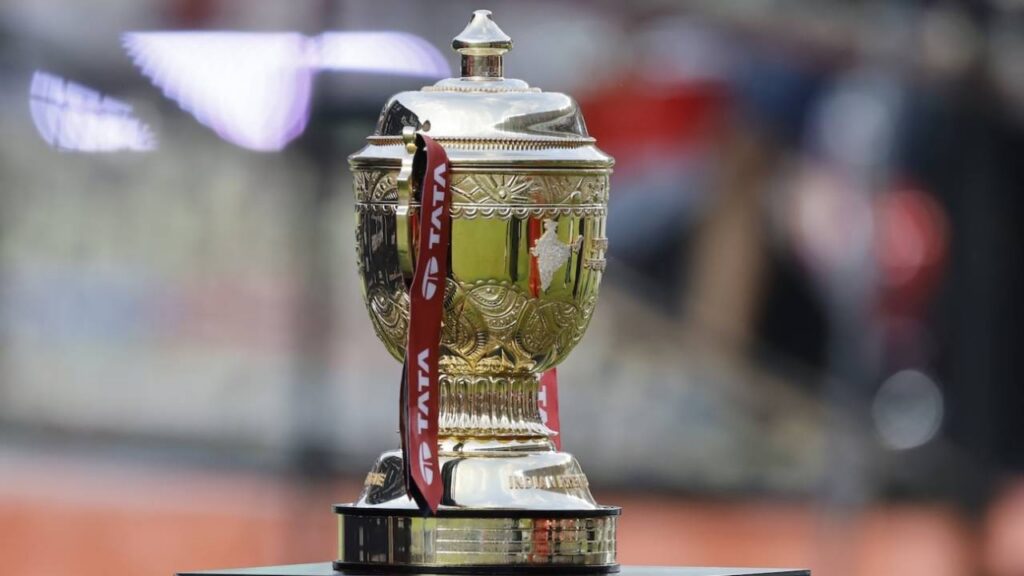
BCCI Issues Stern Warning to IPL Teams and Owners Over Protocol Breaches
In a rare and significant move, the Board of Control for Cricket in India (BCCI) has issued a strongly-worded advisory, pulling up Indian Premier League (IPL) franchises for a series of violations concerning conduct, team discipline, and crucial security protocols. This decisive action underscores the board’s commitment to maintaining the integrity and reputation of its premier T20 tournament.
The seven-page advisory, dispatched to all ten teams, explicitly states that the cited breaches hold the potential to “cause significant reputational harm” not only to the IPL itself but also to the involved franchises and the BCCI as the governing body. While the document refrains from naming specific franchises, players, or team officials, it meticulously outlines various areas of misconduct and protocol infractions that have been observed throughout the current IPL season.
Key Areas of Concern Highlighted by the BCCI
The advisory, signed by BCCI secretary Devajit Saikia, points to several critical violations, including:
- Unauthorized visitors gaining access to hotel rooms reserved for team personnel.
- Franchise owners directly interacting with players and team officials in restricted areas during the course of a live match.
- The use of vaping devices at match venues, including dressing rooms.
- Instances of team members leaving their designated hotel premises without proper authorization.
“It has come to the attention of the BCCI that certain incidents of misconduct and protocol violations have occurred involving players, support staff, and team officials during the course of the current IPL season,” the advisory stated, as accessed by ESPNcricinfo. It further emphasized, “These incidents, if left unaddressed, carry the potential to cause significant reputational harm to the tournament, the franchise concerned, and the BCCI as the governing body. They may further expose individuals and franchises to legal liability and security risks of a serious nature.”
This advisory follows separate statements from Saikia and IPL Governing Council chair Arun Dhumal, who earlier confirmed that the BCCI’s anti-corruption and security watchdog had flagged various “anomalies” related to the presence of unauthorized personnel within the team environment.
Hotel Room Access: Addressing Risks of Compromise and ‘Honey-Trapping’
One of the most serious concerns raised by the BCCI pertains to unauthorized access to team hotel rooms. The advisory highlighted numerous instances where “certain players and support staff members” allowed individuals into their rooms without prior permission from the team manager, a practice that is strictly mandatory under existing protocols.
As per established regulations, any request for hotel-room access must be relayed through the team manager, who is responsible for authorization and for informing the Anti-Corruption Unit (ACU) team member assigned to the franchise. Disturbingly, the advisory noted, “In a number of instances, the Team Manager was entirely unaware of the presence of such visitors.”
Moving forward, the BCCI has mandated that written approval from the team manager is essential for anyone entering a player’s or support staff member’s room, encompassing family members, friends, or any other person. Guests and visitors, it clarified, should be met exclusively in the hotel lobby.
The BCCI underscored the critical importance of keeping rooms and team-designated spaces at hotels off-limits to unauthorized persons, citing the severe damage that corrupt elements have inflicted at various high-profile sporting events. “BCCI draws the attention of all franchises to the well-documented risks of targeted compromise and honey-trapping that pervade high-profile sporting environments,” the advisory cautioned. It further warned, “The possibility of incidents giving rise to serious legal allegations, including those under applicable laws on sexual misconduct, cannot be discounted. IPL franchise management must remain vigilant and proactive in mitigating such risks at all times.”
Owners’ Interactions During Live Matches: A Breach of Protocol
The BCCI also voiced “concern” over “certain franchise owners” attempting to interact with players or team members during a live match. This conduct is explicitly prohibited under IPL protocols, which stipulate that team owners are only permitted to mingle with players and team members once a match has concluded.
“Specifically, instances have been observed of IPL franchise owners attempting to communicate with, approach, hug, or otherwise physically interact with players and team members during live match situations,” the advisory detailed. It clarified that “Such conduct, however well-intentioned, directly contravenes established protocol and may constitute interference with team dynamics and match proceedings.”
Franchise owners, the BCCI reiterated, are “strictly prohibited from communicating with or physically accessing players or team officials in the dugout, dressing room, or playing area during the course of a match.” The advisory sternly cautioned owners and their associates against breaching the Player and Match Officials Area (PMOA) protocol, emphasizing that such actions would be considered a “serious violation.”
Ban on Vapes and E-Cigarettes at Match Venues
Another significant instance of misconduct identified by regulatory authorities is the use of vapes and other prohibited substances at match venues, including within dressing rooms. This issue gained prominence after Rajasthan Royals captain Riyan Parag was reportedly penalized for admitting to vaping in the dressing room during a match against Punjab Kings last month.
Given that the use of vapes and electronic cigarettes is prohibited in India, the BCCI issued a stark warning: using such devices not only breaches IPL protocol but also constitutes “committing a cognisable offence under the applicable statutory framework.” The advisory unequivocally stated that vapes, e-cigarettes, and “all prohibited substances” are banned from venues, dressing rooms, dugouts, team hotels, and training areas.
Strict Enforcement and Severe Consequences Ahead
To ensure compliance, the BCCI has informed franchises that it will conduct random checks to verify adherence to the guidelines outlined in the advisory. The board and the IPL Governing Council have made it “unequivocally clear that any breach of the directives set out in this Advisory shall be treated as a serious disciplinary matter.”
The potential sanctions for such breaches are wide-ranging and severe, including the issuance of a show-cause notice, financial penalties, and even suspension or disqualification from the IPL in the ongoing or subsequent seasons. Furthermore, in cases involving legal breaches such as “use of prohibited substances, breach of security protocol, or conduct amounting to harassment,” the BCCI affirmed that it would direct the matter to relevant law enforcement authorities.
The BCCI concluded by emphasizing to franchises that the purpose of this advisory is not to “restrict” them, but rather to “protect” all stakeholders “from risks that are real, foreseeable, and, if not mitigated, deeply damaging.” This proactive stance highlights the BCCI’s unwavering commitment to upholding the highest standards of conduct, security, and integrity within the Indian Premier League.