

The Evolution of the T20 Strike Rate
In the world of T20 cricket, context is the only true currency. Back in the inaugural 2008 IPL season, a strike rate of 150 was the gold standard—a mark achieved by only six batters who played enough to make an impact. Fast forward to 2026, and the landscape has shifted dramatically. With 25 batters already crossing the 200-run mark at a 150+ strike rate, the ‘good’ of yesterday has become the ‘average’ of today.
The Dhruv Jurel Conundrum
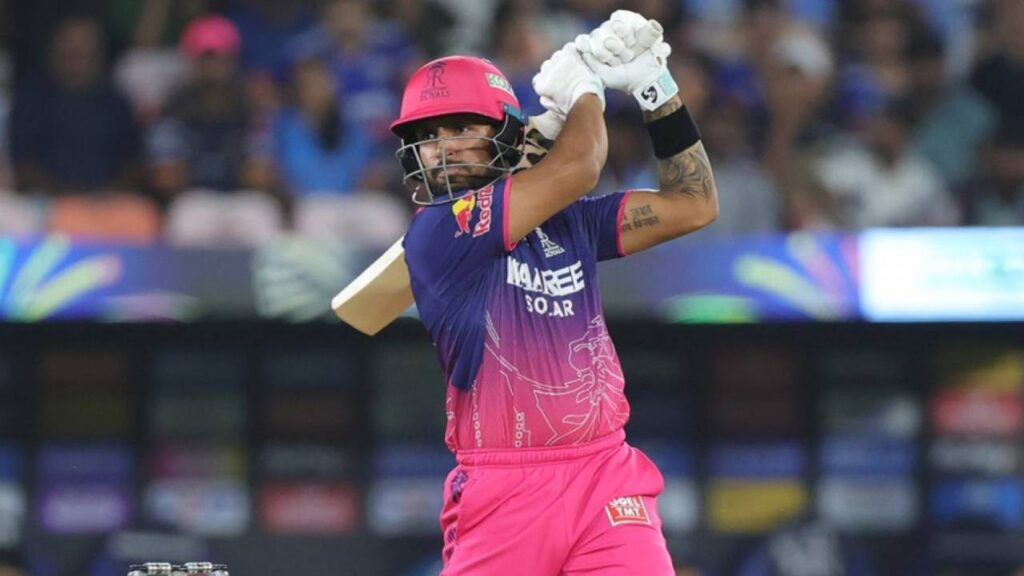
Dhruv Jurel, currently scoring at 151.04, would have been considered a standout performer in the league’s infancy. However, as the designated No. 3 for the Rajasthan Royals (RR), Jurel is tasked with a role that demands immense flexibility. The modern No. 3 must function as a ‘third opener,’ capable of dissecting bowling attacks with both power and technical precision. While Jurel possesses the raw ability, his recent performances suggest a disconnect between his potential and the demands of the 2026 season.
Recent results highlight this tension. Against Sunrisers Hyderabad, a 51-off-35 effort contributed to a loss despite a massive team total of 228. Against Punjab Kings, a 16-off-20 struggle during a middle-overs rut proved costly. Most recently, against the Delhi Capitals, Jurel’s 42-off-30 performance in a 225-run chase again left RR on the losing side. Two losses after posting scores north of 220 indicate that the Royals are leaving far too many runs on the field.
The ‘Entry Point’ Philosophy and Ravindra Jadeja
RR’s tactical rigidity was on full display when they promoted Ravindra Jadeja ahead of the explosive Donovan Ferreira against the Delhi Capitals. Captain Riyan Parag defended the move as a strategic choice to manage entry points—holding back Ferreira for the final overs while relying on Jadeja to stabilize the middle phase. While there is logic in ensuring a specialist power-hitter like Ferreira is at the crease for the death overs, the cost of this strategy was clear: RR essentially surrendered the opportunity to contest the middle overs at full intensity.
This approach feels like a relic of a bygone era. In today’s IPL, where chasing is a significant advantage, teams simply cannot afford to ‘take it easy’ for a few overs. By playing for ‘entry points,’ the Royals are voluntarily suppressing their own scoring potential, a gamble that has backfired significantly in their recent outings.
A Pattern of Muted Ambition
The issue of intent extends beyond individual player roles. During the partnership between Parag and Jurel, there were clear instances of missed opportunities. For example, in the ninth over against Axar Patel, after hitting back-to-back sixes, the duo shifted into a defensive mindset, choosing to rotate the strike rather than pressuring the bowler further. When a team enters a ‘bunker’ mentality, they allow the opposition to settle, effectively neutralizing their own momentum.
Adapting to the New Reality
It is not a knock on Jurel’s skill to suggest he is currently underperforming the modern No. 3 archetype. Players like Shreyas Iyer and KL Rahul have evolved their games to suit the hyper-aggressive requirements of 2026, with Rahul even posting a 211.01 strike rate during the middle overs. The Royals are a franchise defined by their exceptional ability to scout and nurture talent—Jaiswal, Sooryavanshi, and Parag are prime examples—but if they are to win the title, their in-game strategic thinking must catch up to the current evolution of the sport. Moving forward, the Royals must decide whether to stick to their traditionalist principles or embrace the full-throttle aggression that has become the hallmark of the modern IPL.