
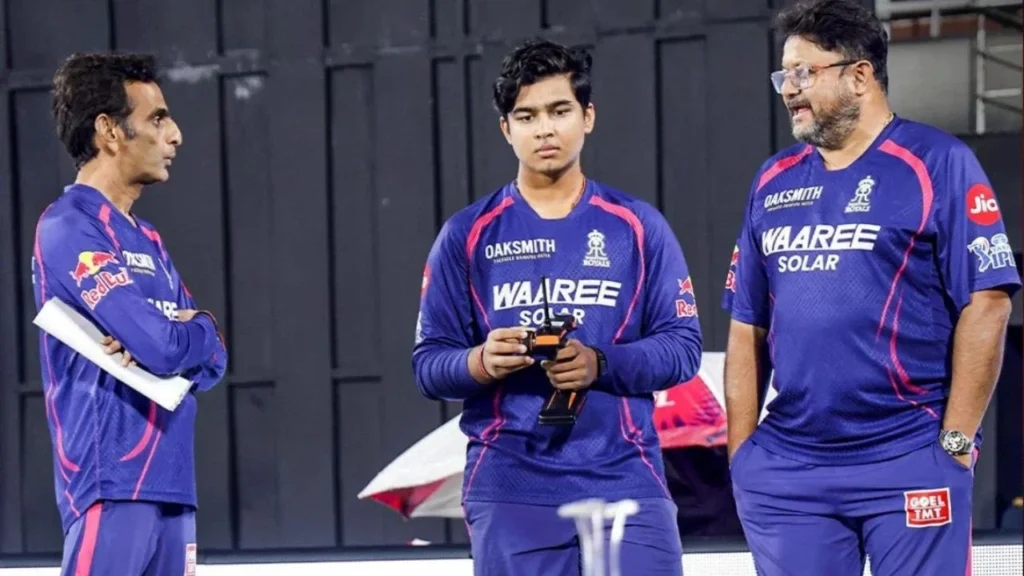
The Growing Storm Surrounding Vaibhav Sooryavanshi
The Rajasthan Royals, under the astute guidance of head coach Rahul Dravid, have long been known for their willingness to invest in young, untapped potential. However, their decision to sign 14-year-old Vaibhav Sooryavanshi for a staggering INR 1.10 crore during the 2025 IPL mega-auction has recently spiraled into a significant legal headache. While the move initially seemed like a stroke of genius, it has now drawn the ire of social activists who argue that the structure of the league may be crossing ethical and legal lines regarding the employment of minors.
The Allegations: Child Labour or Professional Sport?
The controversy ignited during a recent debate on a Kannada news outlet, where social activist CM Shivakumar Nayak issued a stern ultimatum to the Rajasthan Royals management. Nayak explicitly accused the franchise of perpetrating ‘child labour’ by allowing the 15-year-old Sooryavanshi to compete in a high-pressure, professional environment like the IPL. According to Nayak, the boy should be prioritizing his academic education rather than navigating the demands of elite professional cricket.
“This is nothing but child labour,” Nayak asserted during the broadcast. “How can they make a minor boy play in such a big league? He should be in school, not being exploited in this system.” Nayak has stated his intention to pursue a formal police complaint or legal case against the RR management, labeling the participation of minors in the league as a dangerous precedent that undermines child rights.
A Rising Star Amidst the Chaos
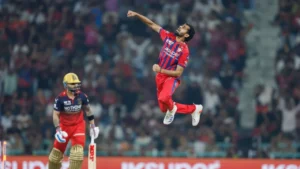
Despite the noise surrounding his age, Vaibhav Sooryavanshi’s performance on the field has been nothing short of extraordinary. The teenager proved his worth almost immediately, becoming the youngest centurion in the history of the Indian Premier League by smashing a century off just 35 balls. This rapid ascent to fame has placed him under an intense microscope, leading to various rumors—ranging from allegations of unprofessionalism to absurd conspiracy theories suggesting his equipment contains AI technology to gain an unfair advantage.
However, the numbers speak for themselves. In the current 2026 edition of the IPL, Sooryavanshi has been a pivotal figure for the Royals. He has amassed an impressive 404 runs across ten matches, maintaining a blistering strike rate exceeding 237. With six wins under their belt, the Rajasthan Royals are currently sitting in fourth place on the points table, firmly in the hunt for a playoff spot, largely thanks to Sooryavanshi’s second century of the season.
Defending the Franchise: Cricket or Factory?
The backlash against Nayak’s comments has been swift and severe from the cricketing fraternity. Many fans and pundits have dismissed the ‘child labour’ claims as baseless propaganda, pointing out the historical precedents of child prodigies in the sport. Critics of the activist argue that cricket franchises operate under strict BCCI regulations, and comparing a professional sports contract to factory-style child labour is a fundamental misunderstanding of the sport’s development pathways.
Supporters of the franchise have frequently drawn parallels to legends like Sachin Tendulkar, who began his journey in domestic cricket at a tender age. They also point to the existence of the Under-19 World Cup as proof that elite-level competition for teenagers is not only accepted but encouraged as part of the sport’s ecosystem. For many, the focus should remain on Sooryavanshi’s undeniable talent rather than turning his professional aspirations into a legal battleground.
Looking Ahead
As the Royals continue their campaign, the legal threat looms in the background. While the BCCI’s current policies—which include a match fee of 7.5 lakhs per match for retained players—provide a framework for compensation, the debate over the ethical boundaries of child participation in professional leagues is unlikely to fade away soon. For now, the focus for Vaibhav Sooryavanshi remains on the pitch, where he continues to silence critics with his bat, one boundary at a time.
As this story develops, one thing is certain: the conversation surrounding age limits and the protection of young athletes in Indian cricket will become a central theme in the board’s future policy discussions.