

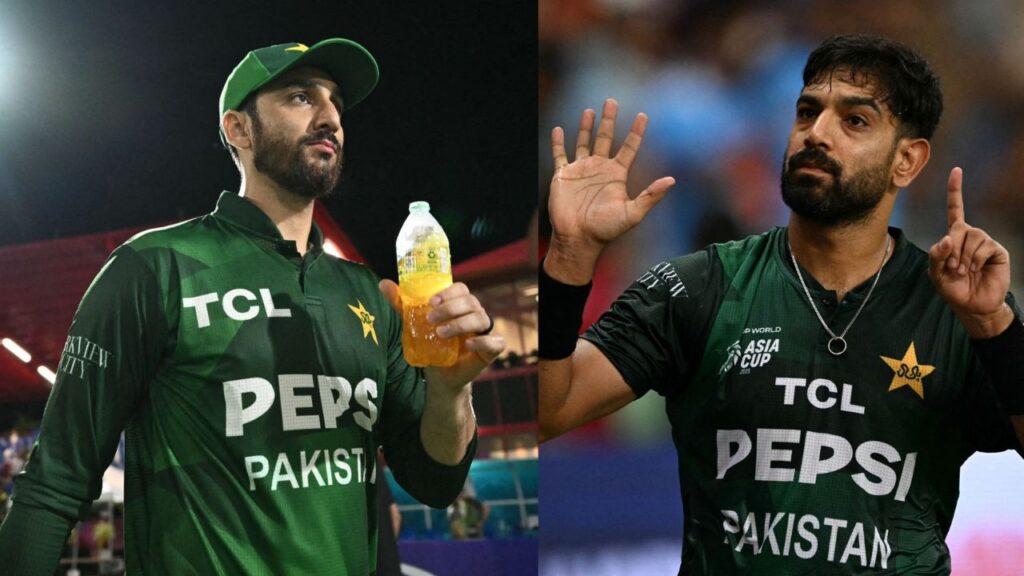
A Period of Turbulence for Pakistan Cricket
Pakistan cricket is currently navigating one of its most challenging phases in recent history. From administrative instability and political interference to the constant rotation of leadership, the foundations of the sport in the nation have been shaken. These systemic issues have manifested in underwhelming performances on the field, particularly during marquee tournaments where the pressure is at its peak.
Since their impressive run to the final of the T20 World Cup in 2022, the Men in Green have struggled to maintain consistency. The team has seen a revolving door of captains across all formats, yet the results remain stagnant. Currently, the team is led by Shan Masood in Tests, Shaheen Afridi in ODIs, and Salman Ali Agha in T20Is, but all three have faced significant scrutiny regarding their leadership and team performance.
The Downward Spiral
The decline has been palpable. After the 2022 T20 World Cup, Pakistan narrowly missed the semifinals in the 2023 ODI World Cup. The situation turned dire with an embarrassing exit in the 2024 T20 World Cup, which included a defeat to the USA. The trend continued into the 2025 Champions Trophy, where, despite hosting the tournament, Pakistan failed to progress past the league stage. Further disappointment followed with an early exit in the 2026 T20 World Cup and a lackluster performance in the recently concluded Asia Cup.
The Asia Cup 2025 Heartbreak
The 2025 Asia Cup was a focal point of frustration for fans. The tournament, held amidst a tense geopolitical backdrop, culminated in an India-Pakistan final that left the Pakistani camp reeling. India defeated Pakistan three times throughout the tournament, with the final being the most painful of them all. A thrilling, nail-biting finish saw India’s Tilak Varma snatch victory from the jaws of defeat against Haris Rauf in Dubai.
Salman Ali Agha’s Tactical Regret
In a recent interview with ARY Digital, Salman Ali Agha addressed the criticism regarding his captaincy. Reflecting on the final, he identified a specific tactical error that he believes altered the course of the match. Agha admitted that his decision to give the final over to Haris Rauf instead of relying on the spin of Abrar Ahmed was his biggest regret.
“I think my biggest regret is giving the over to Haris Rauf in the Asia Cup Final. If I had continued with Abrar (Ahmed), the result of the game might have been completely different,” Agha confessed. The statistics support his contemplation; Abrar Ahmed had been highly effective, finishing his four-over quota with figures of 1/29. In stark contrast, Haris Rauf struggled significantly, leaking 50 runs in just 3.4 overs at a high economy rate of 13.6.
Tensions Beyond the Boundary
The rivalry between India and Pakistan extends well beyond the cricket pitch. The 2025 Asia Cup was played under the shadow of the Pahalgam attack, which fueled an already strained relationship between the two nations. The atmosphere was further soured by a notable lack of sportsmanship, particularly the “handshake saga” that garnered global attention.
When asked about the incident where players from both sides failed to exchange handshakes, Salman Ali Agha maintained that he was personally inclined toward the gesture. He claimed the Indian team was adamant about ignoring the traditional post-match protocols, adding fuel to the ongoing debate about the spirit of the game. With no bilateral series played between the two giants since 2012, these multi-national tournaments remain the only stage for this historic rivalry, making the lack of cordiality even more prominent.
Moving Forward
As Salman Ali Agha takes a break from T20Is following a poor PSL 2026 campaign to focus on the ODI and Test formats, the question remains: can Pakistan find the stability they so desperately need? The confession regarding the Asia Cup final shows a captain willing to reflect on his errors, but the systemic issues plaguing Pakistan cricket will require more than just individual accountability to fix.