

[CRK]
Leadership and Patience: Miraz’s Vision for the Bangladesh ODI Squad
In the high-pressure environment of international cricket, the line between being a mainstay in the playing XI and being sidelined is often razor-thin. For the Bangladesh national team, the current phase of transition has seen several experienced players find themselves on the fringes. Amidst the speculation surrounding squad rotations, ODI captain Mehidy Hasan Miraz has provided much-needed clarity regarding his selection philosophy and his commitment to fairness for all players.
The focus has recently shifted toward the batting order, where several players are fighting for a spot. While some have become staples of the current setup, others, like Soumya Sarkar, have found themselves falling behind in the race for a place in the starting XI despite remaining in the squad. Furthermore, players such as Nurul Hasan Sohan and Jaker Ali Anik have seen their opportunities in the middle order diminish, leading to their current absence from the immediate squad.
The Case for Saif Hassan: Why Patience is Key
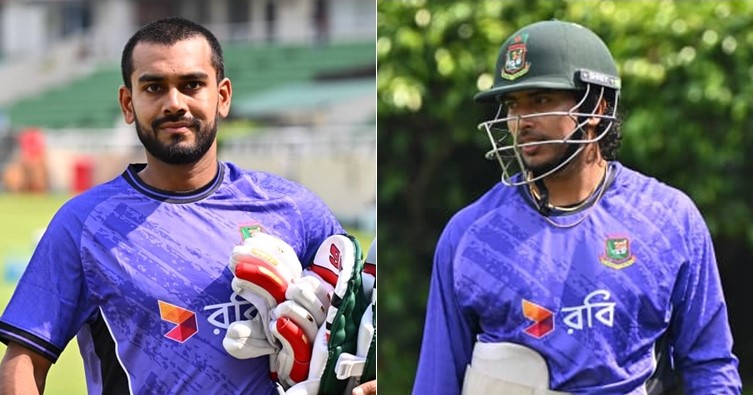
One of the most discussed decisions in the current setup is the continued backing of Saif Hassan. While Saif’s recent international outings may not have been prolific, Miraz is adamant that the opener deserves more time to find his rhythm. The captain highlighted a crucial detail: Saif recently scored a century in a practice match, a performance that has significantly bolstered the management’s confidence in his abilities.
Miraz believes that judging a player based on a handful of matches is counterproductive. Speaking on the psychology of batting, he explained: “A batter needs proper opportunities. You can’t judge someone after just one or two matches. If a player gets 3-4 matches in the same position and still doesn’t perform, then he will understand himself.”
This approach underscores a leadership style rooted in stability. By ensuring a player has a consistent role and a reasonable window of opportunity, Miraz aims to remove the anxiety of immediate failure, allowing the batter to focus on their technique and temperament.
The Strategic Importance of the Opening Stand
The captain also expressed strong confidence in the pairing of Saif Hassan and Tanzid Hasan Tamim. In the modern game, the first ten overs often dictate the trajectory of the entire innings. Miraz pointed out that in the previous series, the opening partnership successfully crossed the 100-run mark, which provided a massive psychological and tactical advantage to the rest of the team.
According to Miraz, the value of an opening partnership isn’t always measured in massive individual scores. He noted that even modest contributions of 10, 20, or 25 runs can prevent the middle order from collapsing under pressure. By avoiding early wickets, the team maintains control over the game, allowing the middle order to play with more freedom.
Addressing the Future of Sohan, Jaker, and Soumya
Addressing the concerns regarding Nurul Hasan Sohan and Jaker Ali Anik, Miraz was quick to dispel rumors that they have been discarded. He reminded critics that both players were integral parts of the last two series. Sohan, in particular, played six consecutive matches across the series against Afghanistan and the West Indies.
While Jaker Ali Anik’s form was not at its peak during his recent opportunities, Miraz clarified that both players remain vital components of the 20-player pool. “It’s not like they are out of the ODI setup. They will get opportunities again,” Miraz assured, emphasizing that the current squad composition is dynamic and based on immediate requirements rather than permanent exclusions.
Maintaining Connection and Mental Strength
Perhaps the most commendable aspect of Miraz’s strategy is his desire to keep out-of-form players integrated with the national team. He understands that being dropped from the squad can lead to isolation and a dip in confidence. To combat this, Miraz wants players with high potential to continue training with the national setup even when they aren’t selected for a specific series.
- n
- Mental Comfort: Training with peers helps players stay mentally connected to the team’s goals.
- Skill Development: Access to national team facilities and coaching helps them rectify technical flaws.
- Seamless Integration: When the time comes for a recall, the player is already acclimated to the team’s current rhythm.
By fostering this inclusive environment, Mehidy Hasan Miraz is not just managing a playing XI; he is nurturing a wider pool of talent, ensuring that when a player returns to the field, they do so stronger and more confident than before.