
[CRK]
A New Era Under Miraz: Navigating Transition and Legacy
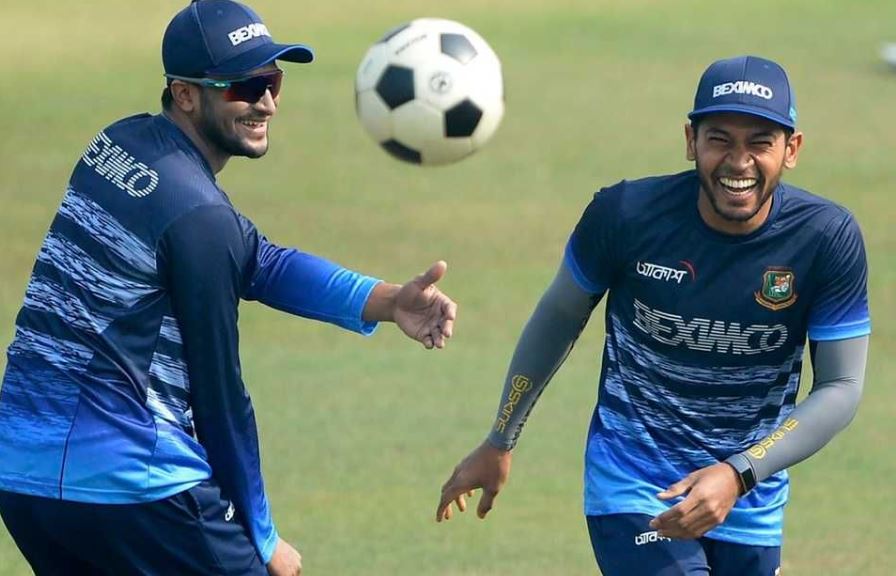
Bangladesh cricket is currently standing at a crossroads. The transition from a golden generation of stalwarts to a fresh crop of talent is rarely a seamless process, and the current ODI setup is a testament to that challenge. At the center of this shift is Mehidy Hasan Miraz, who has stepped into the captaincy during a period of significant structural change. Recently, Miraz addressed the pressing questions regarding the absence of two of the most influential players in the nation’s history: Mushfiqur Rahim and Shakib Al Hasan.
The dynamics of the dressing room and the composition of the playing XI have undergone a visible transformation. With veteran pillars stepping away or remaining in a state of uncertainty, the responsibility now falls on Miraz to not only lead the team on the field but to manage the psychological and tactical void left by these legends.
Respecting the Decision: The Mushfiqur Rahim Chapter
Mushfiqur Rahim has long been the heartbeat of the Bangladesh batting lineup, known for his tenacity and ability to anchor an innings under pressure. While Mushfiqur continues to represent the nation in Test cricket, his departure from the limited-overs format has left a gap that is as much emotional as it is technical. Speaking ahead of the New Zealand series, Miraz was candid about the influence Mushfiqur held over the team.
“Both of them are legendary players,” Miraz remarked, acknowledging the immense benefit the squad has reaped from their presence over the years. When focusing specifically on Mushfiqur, Miraz highlighted how the veteran’s presence simplified the captain’s duties. “A player like Mushfiqur bhai makes a captain’s job much easier,” he noted, referencing the reliability and game awareness that Mushfiqur brought to every match.
Despite the temptation to urge a return—given that Mushfiqur’s fitness levels remain high enough to compete for several more years—Miraz emphasized the importance of respecting a player’s autonomy. He clarified that while he has communicated with Mushfiqur due to their ongoing relationship in the Test arena, the decision regarding ODI retirement is a matter of personal choice and team management consensus. “Since he has already retired, we have to respect that decision,” Miraz stated firmly, signaling a professional acceptance of the new reality.
The Shakib Al Hasan Enigma
If Mushfiqur’s exit was a definitive closure, the situation surrounding Shakib Al Hasan remains a complex narrative. Unlike Mushfiqur, Shakib has not officially retired from One Day Internationals, leaving a window open for a potential return. However, the circumstances surrounding his availability are often intertwined with board decisions and personal situations.
When questioned about Shakib’s possible comeback, Miraz adopted a more cautious and diplomatic tone. He sought to distance the playing squad from the administrative complexities of the Bangladesh Cricket Board (BCB). “As professional cricketers, it doesn’t have a big impact on our dressing room,” Miraz explained, suggesting that the players maintain a professional equilibrium regardless of who is in the squad. He further added that the decision rests entirely with the board, noting that while the players are aware of the situation, the final call is an administrative one.
Solving the Middle-Order Puzzle
The absence of these two anchors has had a tangible effect on the batting order. For years, the middle order was a fortress built around the experience of Shakib and Mushfiqur. Without them, the team has struggled with consistency, forcing current players to step out of their comfort zones.
One of the most notable adjustments has been the role of Litton Das, who has had to adapt his game and move into the middle order to provide much-needed stability. Miraz admitted that the middle order has felt weak, a vulnerability he knows well having played in those positions himself.
The Strategy for the World Cup
With the World Cup on the horizon, Miraz is focused on a blend of experience and opportunity. He acknowledged that shifting a batter’s position is not an overnight process. “It takes time for a batter to settle into a position after playing somewhere else for 15-16 years,” Miraz explained. This realization has led the management to prioritize experienced players who have a proven track record of performing under pressure, aiming to plug the gaps left by the departing legends.
The current goal is clear: stabilize the middle order and build a cohesive unit that can compete on the world stage. By integrating seasoned performers into new roles, Miraz hopes to create a resilient batting lineup that can withstand the pressures of international cricket without relying on the ghosts of the past.
Final Thoughts on the Transition
The road ahead for Bangladesh is challenging, but it is also an opportunity for a new generation to define their own legacy. Mehidy Hasan Miraz’s approach—marked by respect for the old guard and a pragmatic view of the current deficiencies—suggests a leadership style grounded in realism. As the team continues to experiment with its batting order and navigate the board’s decisions regarding Shakib, the focus remains on building a sustainable future for Bangladesh cricket.