
[CRK]
Background: The Asia Cup 2025 Firestorm
The 2025 Asia Cup will be remembered not only for the thrilling cricket on the field but also for the unprecedented off‑field tension that spilled between India and Pakistan. Three fiercely contested matches, political overtones, and a series of gestures that were deemed unsporting set the stage for a cascade of disciplinary actions by the International Cricket Council (ICC).
The incidents that triggered the sanctions
During the group stage, the India‑Pakistan clash on 21 September and the final on 28 September became flashpoints. Both games featured heated exchanges, refusal to shake hands, and controversial gestures that breached the ICC Code of Conduct. Specifically, the ICC cited Article 2.21 – “bringing the game into disrepute” – as the basis for most of the penalties.
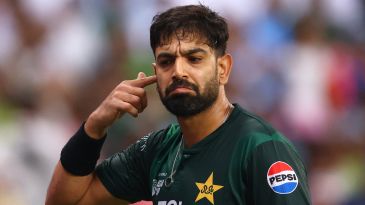
Haris Rauf’s two‑match suspension
Fast‑bowler Haris Rauf accumulated four demerit points from two separate offences across the two matches. He chose not to accept the charges, prompting formal hearings. Under ICC rules, reaching four demerit points within a 24‑month window automatically triggers a two‑match ban. Consequently, Rauf missed the first One‑Day International (ODI) against South Africa and will also sit out the second, returning only for the third fixture of the three‑match series in Faisalabad.
Other players caught in the disciplinary net
- Suryakumar Yadav – India’s captain received two demerit points for comments made after India’s victory over Pakistan on 14 September, also under Article 2.21.
- Jasprit Bumrah – The Indian pacer was handed a single demerit point for a gesture during the final, again falling under the same article.
- Sahibzada Farhan – Pakistan’s bowler earned an official warning and one demerit point for an offence dated 21 September, though the ICC mistakenly listed it as 14 September.
- Arshdeep Singh – Charged under Article 2.6 for an alleged obscene gesture on 21 September, he was ultimately found not guilty.
Why the ICC’s timing matters
Although ESPNcricinfo reported the sanctions shortly after the tournament, the ICC only made the official announcements five weeks later, on the Tuesday following the Asia Cup final. The delay raised questions about transparency and the governing body’s handling of high‑profile disciplinary matters.
Political undercurrents and on‑field etiquette
The tension between the two sides went beyond the boundary ropes. India refused to shake hands with Pakistani players in all three games, a decision criticized by Pakistan captain Salman Agha as “not in the spirit of the game.” In response, Suryakumar Yadav remarked that “a few things are bigger than sportsman’s spirit,” underscoring how geopolitics can infiltrate sport.
Near‑withdrawal of Pakistan
At one point, Pakistan threatened to pull out of the tournament, blaming match referee Andy Pycroft for preventing the handshake ritual. The ICC disputed this version, but the standoff caused a delay of over an hour to Pakistan’s subsequent match against the United Arab Emirates while officials attempted to defuse the situation.
The final’s trophy controversy
The drama didn’t end on the field. When India clinched the historic first‑ever all‑India‑Pakistan Asia Cup final, the presentation ceremony turned contentious. ACC president and PCB chairman Mohsin Naqvi insisted on handing the trophy to the Indian side himself. The Indian players refused to accept it, leading to a prolonged pause before they celebrated on the podium without the actual trophy. Reports suggest the trophy has yet to be transferred to the Indian team.
Implications for the upcoming South Africa ODI series
Rauf’s suspension will affect Pakistan’s bowling options for the first two matches against South Africa. While Pakistan will field a full‑strength side for the third ODI, the absence of a frontline fast bowler could tilt the balance in South Africa’s favour in the opening fixtures.
For India, the sanctions against Suryakumar Yadav and Jasprit Bumrah are less disruptive, as both players retain eligibility for upcoming series. However, the demerit points will linger on their disciplinary records, serving as a reminder that on‑field conduct remains under close scrutiny.
Looking ahead
The Asia Cup saga has reignited discussions about sportsmanship, political influence, and the ICC’s role in safeguarding cricket’s integrity. As the South Africa‑Pakistan ODI series unfolds, fans and officials alike will be watching not only the performances but also how quickly the governing bodies can address and prevent future controversies.
In the meantime, the cricketing world awaits clarification on the whereabouts of the coveted Asia Cup trophy and hopes that the lessons learned from this turbulent tournament will foster a more respectful and competitive spirit in future encounters.