
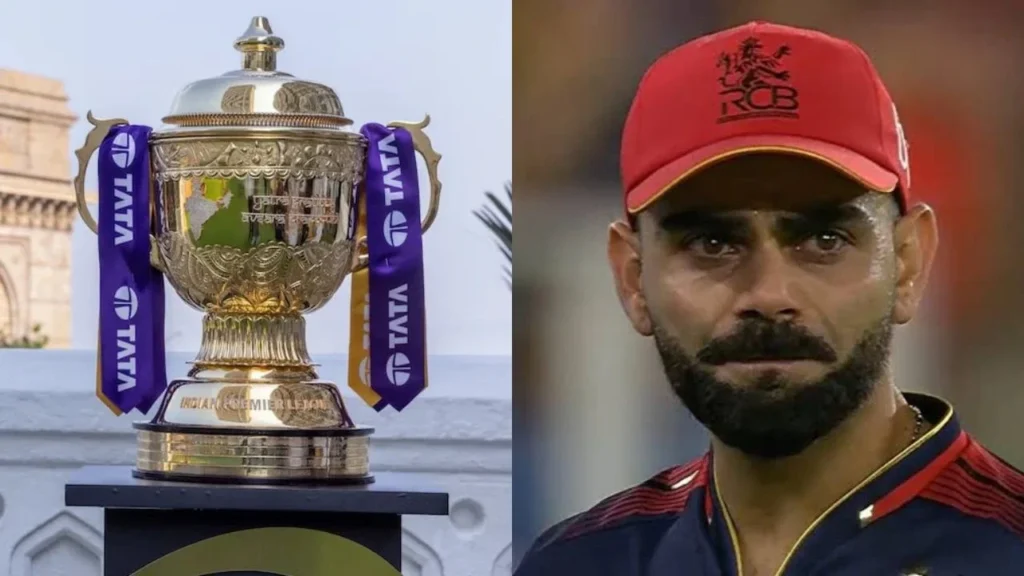
A Major Shift in the IPL 2026 Calendar
The landscape of the Indian Premier League (IPL) 2026 season has undergone a significant transformation following a massive development from the Board of Control for Cricket in India (BCCI). In a move that has caught many cricket enthusiasts and administrative stakeholders by surprise, the M Chinnaswamy Stadium in Bengaluru has been denied the hosting rights for the final of the IPL 2026. This decision marks a departure from the initial roadmap, which saw the historic venue as the primary candidate for the tournament’s grand finale.
The BCCI has released a comprehensive official statement addressing the matter, providing clarity on the eleventh-hour shift. The decision to strip Bengaluru of its hosting duties was not taken lightly, but rather as a result of what the board describes as a breakdown in administrative and logistical coordination. The summit clash, originally destined for the high-scoring haven of Bengaluru, will now be held at the sprawling Narendra Modi Stadium in Ahmedabad.
Decoding the BCCI’s Official Statement
In their official communication, the BCCI was transparent about the reasons necessitating this venue reassignment. According to the board, the transition became inevitable when negotiations and operational requirements with the local authorities in Bengaluru reached an impasse. The statement highlighted that while Bengaluru was the first choice, certain non-negotiable protocols were not met.
“Owing to certain operational and logistical considerations, the TATA IPL 2026 Playoffs will be conducted across three venues this season as a special case,” the official IPL statement read. This indicates a broader strategy to ensure the smooth execution of the high-stakes playoff matches, prioritizing efficiency and compliance over traditional venue rotations. The statement further elaborated on the specific friction points: “Bengaluru was originally designated to host the Final. However, owing to certain requirements from the local association and authorities that were beyond the scope of BCCI’s established guidelines and protocols, the venue has been shifted and reassigned.”
The Logistics Behind the Decision
While the BCCI’s statement was diplomatic, the phrase “beyond the scope of BCCI’s established guidelines” suggests that the requirements posed by the local Karnataka State Cricket Association (KSCA) or regional civic authorities did not align with the standard operating procedures of the IPL. These guidelines typically cover a wide array of factors, including stadium security, commercial branding rights, ticketing allocations, and the provision of international-standard infrastructure for broadcasters and sponsors.
Hosting an IPL final is a massive undertaking that requires seamless synergy between the national board and the host association. When local demands conflict with the centralized commercial or operational interests of the IPL, the BCCI has historically shown a willingness to relocate matches to maintain the integrity of the tournament’s delivery. In this instance, the Narendra Modi Stadium in Ahmedabad emerges as the beneficiary, offering the largest seating capacity in the world and state-of-the-art facilities that comfortably meet all BCCI requirements.
Ahmedabad Takes Center Stage Again
With Bengaluru out of the picture for the final, Ahmedabad’s Narendra Modi Stadium once again cements its status as the premier destination for major cricketing events in India. Having successfully hosted World Cup finals and previous IPL summit clashes, the venue provides the scale and security infrastructure that the BCCI prioritizes for its flagship events. The shift ensures that the IPL 2026 final will be played in front of a record-breaking crowd, though it leaves a void for the passionate cricket fans of Bengaluru who had been eagerly anticipating a home final.
The Revised Playoff Structure
The loss of the final is a significant blow to the M Chinnaswamy Stadium, a venue known for its electric atmosphere and short boundaries that often produce high-octane T20 cricket. However, the BCCI has confirmed that the 2026 playoffs will be spread across three distinct venues. This distributed model is intended to mitigate risks and ensure that if one venue faces administrative hurdles, the others can pick up the slack without disrupting the tournament’s flow.
- Qualifier 1: To be announced at a neutral high-capacity venue.
- Eliminator and Qualifier 2: To be hosted across the designated playoff cities.
- IPL 2026 Final: Officially moved to Narendra Modi Stadium, Ahmedabad.
Impact on the Karnataka State Cricket Association
The stripping of the final rights raises questions about the relationship between the BCCI and the local cricket administration in Karnataka. Bengaluru has long been a crown jewel in the Indian cricket circuit, and the Chinnaswamy Stadium is iconic. For the venue to lose such a high-profile match due to “requirements beyond the scope of guidelines” suggests a need for internal review within the local association. It serves as a reminder that the BCCI maintains strict control over its flagship product and expects total compliance with its operational blueprint.
As the countdown to IPL 2026 continues, the focus now shifts to how Bengaluru will respond and whether the stadium will still host other significant matches during the league phase. For now, the cricketing world looks toward Ahmedabad, which is set to host yet another historic night in the annals of the Indian Premier League.