
[CRK]
A Season of Inconsistency: Mumbai Indians’ Struggle for Rhythm
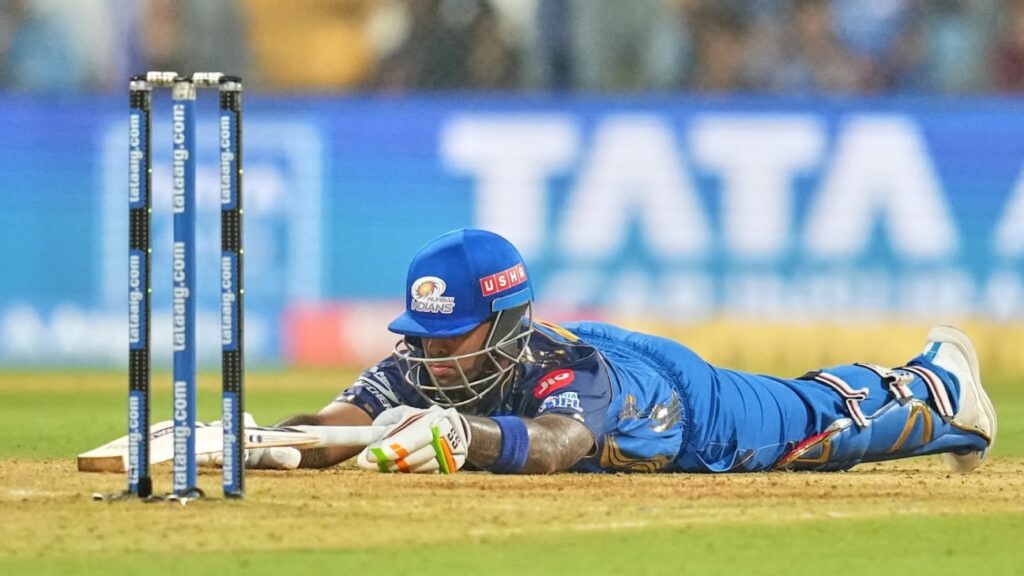
The Mumbai Indians (MI) find themselves in a precarious position in the IPL 2026 season. After a devastating 103-run hammering by the Chennai Super Kings (CSK) at the Wankhede Stadium, the franchise is languishing in the bottom half of the points table with only two wins from seven matches. For a team with MI’s pedigree, this lack of form is alarming, and head coach Mahela Jayawardene has been candid about the issues plaguing the squad.
Following the defeat, Jayawardene highlighted a recurring theme of inconsistency. While he acknowledged that the team has performed well in patches—citing their victory against the Gujarat Titans in Ahmedabad as a high point—the inability to maintain that standard has been their undoing. With a five-day break now scheduled, the coaching staff and players have a critical window to regroup and address the tactical gaps that have left them vulnerable.
The ‘Hole’ in the Bowling Attack
The most pressing concern for the Mumbai Indians is undoubtedly their bowling. Jayawardene admitted that there has been a visible “hole” in the attack, exacerbated by a combination of injuries and illnesses that have disrupted their ideal combinations. The statistics paint a grim picture of the current state of MI’s bowling efficiency:
- n
- Economy Rate: MI has conceded runs at an economy rate of 10.52, the highest of any team in the tournament this season.
- Wicket-taking Ability: Their tally of 34 wickets is the third-lowest in the competition.
- The Bumrah Paradox: While Jasprit Bumrah remains one of the most miserly bowlers in the league, he has managed only two wickets in seven outings, limiting his impact as a primary strike bowler.
Jayawardene emphasized that the problem lies in execution and the tendency to concede “big overs.” He noted that giving away 18 to 20-plus runs in a single over makes it nearly impossible for the team to claw their way back into a match, putting undue pressure on the rest of the bowling unit.
Tactical Shifts and the Powerplay Crisis
The struggle for consistency is most evident in the powerplay. Initially, Trent Boult was the preferred choice to lead the attack with the new ball. However, a lack of early wickets coupled with a high economy rate forced a tactical pivot. In an attempt to “set the tone” and avoid conceding 10 to 13 runs in the opening over, MI has begun deploying Jasprit Bumrah earlier in the innings.
This shift was glaringly obvious in the recent clash against CSK, where Bumrah bowled the opening over. Despite these adjustments, the powerplay statistics against CSK were disastrous. MI managed a meager 29 for 3 in their powerplay—their lowest ever against CSK in IPL history—while the Super Kings surged to 73 for 2, their second-highest powerplay total against MI.
“Once you lose both the powerplays with the ball and with the bat, we just couldn’t get to the game,” Jayawardene explained. “We had a great game in Ahmedabad, I thought we found some rhythm, but again, we lost that rhythm.” This failure was compounded during the chase of 208, where MI found it impossible to counter the precision of Akeal Hosein.
The Santner Concussion Controversy
The match also raised eyebrows regarding a personnel change. Mitchell Santner was replaced by Shardul Thakur as a concussion substitute. The move came after Santner, who had just taken a diving catch to dismiss Kartik Sharma, walked off the field grimacing and holding his shoulder.
Jayawardene clarified the situation, stating that while the initial impact affected Santner’s shoulder and neck, the player reported feeling dizzy upon returning. A subsequent scan confirmed the need for a concussion substitute, a decision ultimately left to the match referee and umpire’s discretion. “Mitch will be disappointed that his batting powers are matched to Shardul Thakur,” Jayawardene joked, though he expressed hope that the injury was not severe.
A Silver Lining: The Rise of AM Ghazanfar
Amidst the gloom of a heavy defeat, the emergence of AM Ghazanfar provided a rare glimmer of hope. Despite CSK scoring at over ten runs per over, Ghazanfar remained composed, returning impressive figures of 2 for 25. He displayed maturity beyond his years, removing Ruturaj Gaikwad at long-off and bowling Shivam Dube in the ninth over.
Jayawardene praised the youngster, noting his ability to handle the pressure of bowling in the powerplay. “The more games he’s playing, he will do well,” the coach remarked, signaling that the team intends to continue backing the young spinner as they look to stabilize their bowling attack.
Mumbai Indians will now look to translate these lessons into results when they face Sunrisers Hyderabad at the Wankhede Stadium on April 29.