
[CRK]
Bangladesh’s Flagship Cricket Venue Set for a Multi‑Sport Revamp
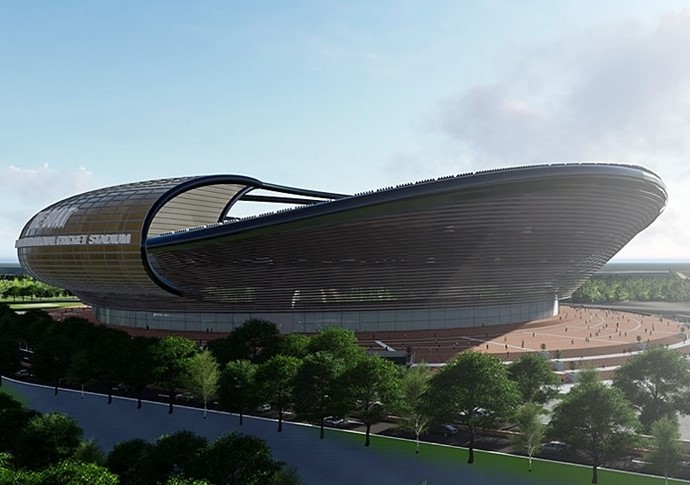
The National Cricket Ground (NCG) in Purbachal, long‑awaited by fans and players alike, is about to receive a comprehensive redesign that will broaden its purpose beyond cricket. The Bangladesh Cricket Board (BCB), under the leadership of former captain Tamim Iqbal, and State Minister for Youth and Sports Aminul Haque, have confirmed that the stadium will evolve into a multi‑sport hub, positioning Bangladesh to showcase state‑of‑the‑art facilities during the 2031 Cricket World Cup.
Background: A Project in Waiting
Since its initial conception, the Purbachal NCG has lingered in the planning and development stages. Although the venue promises a world‑class cricketing arena, progress has been slower than anticipated, raising concerns about meeting the 2031 World Cup deadline. Recognising the urgency, the BCB has accelerated efforts to ensure the stadium is ready on time, while also seizing the opportunity to address a broader strategic goal: diversifying Bangladesh’s sports infrastructure.
Key Stakeholders Take the Lead
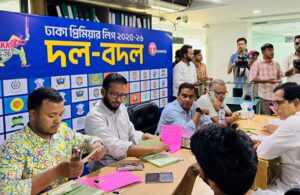
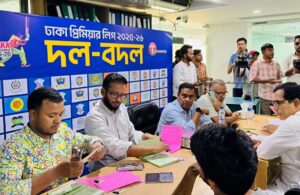
On April 18, a high‑profile delegation visited the Purbachal site. The group included Tamim Iqbal, who now heads the BCB’s ad‑hoc committee overseeing the project, and Aminul Haque, the State Minister for Youth and Sports. Accompanying them were senior BCB officials and representatives from various government ministries. Their inspection served a dual purpose: assessing the current state of construction and publicly outlining a visionary plan for the ground’s future.
From Cricket‑Only to Multi‑Sport Facility
Historically, the design of the Purbachal NCG centred exclusively on cricket, with a focus on a large‑capacity pavilion, practice nets, and broadcasting facilities. However, both Tamam Iqbal and Aminul Haque emphasized that the stadium’s massive footprint offers a unique chance to host a range of sports. In a press briefing, Tamim stated:
“This is a very large property. Our goal is to include a few other sports alongside cricket if possible. That would be great for the overall sports culture. Financially, the cricket board is in a better position than many other sports bodies, so we also have a responsibility to support sports in general. The honorable minister has already suggested which sports could be included. We’ll discuss it with the designers, and if needed, we’ll also consult others. Since this is a big project, it will require significant government investment, and we’ll work closely with the National Sports Council.”
Similarly, Aminul Haque added:
“The land allocated in Purbachal will definitely have a cricket stadium, Insha’Allah. But along with that, we are also planning to make it useful for multiple sports. We have already had discussions with the BCB president, the secretary of the ministry, and other officials. From the government’s side, we will take the necessary steps very soon to ensure proper facilities for multiple sports here.”
The statements reveal a clear policy shift: the NCG will be re‑engineered to accommodate sports such as football, athletics, and possibly indoor games, depending on feasibility studies and design consultations.
Why the Change Matters
- Enhanced Sports Culture: A multi‑sport venue will foster cross‑disciplinary participation, encouraging youth to engage with a broader array of athletic activities.
- Financial Sustainability: Diversified usage can generate additional revenue streams, reducing the reliance on cricket‑specific events.
- World Cup Readiness: Upgrading infrastructure now ensures that the stadium meets International Cricket Council (ICC) standards while also providing ancillary facilities for teams and officials.
- Government Investment: The project’s scale demands significant public funding, underscoring the government’s commitment to elevating Bangladesh’s international sports profile.
Design Adjustments and Timeline
While the exact architectural modifications have yet to be released, Tamim hinted that the changes are “truly needed” rather than cosmetic. Expected adjustments may include:
- Reconfiguring seating arrangements to suit various field dimensions.
- Integrating a modular playing surface that can be quickly converted between cricket pitches and football fields.
- Constructing an athletics track encircling the central arena.
- Adding indoor training halls and multi‑purpose courts for sports like basketball and volleyball.
The BCB has pledged to collaborate closely with the National Sports Council and private design firms to finalise the revised blueprint within the next six months. Once approved, construction is slated to intensify, with a targeted completion date aligned with the 2031 World Cup schedule.
Stakeholder Reactions
Local sports journalists have welcomed the announcement, viewing it as a progressive step toward breaking the cricket‑centric paradigm that has dominated Bangladesh’s sports investments. Former athletes and coaches expressed optimism that the new facilities will provide much‑needed training environments for football and athletics, sports that have historically struggled for high‑quality venues.
Conversely, some cricket purists voiced concerns about potential compromises to the pitch quality and spectator experience if the stadium is stretched across multiple disciplines. The BCB has reassured fans that cricket will remain the flagship activity, with design solutions prioritising a world‑class playing surface.
Looking Ahead
As Bangladesh gears up for the 2031 Cricket World Cup, the Purbachal NCG stands at a crossroads. The decision to broaden its scope reflects a strategic vision: leveraging a flagship project to uplift the nation’s overall sports ecosystem. If executed successfully, the stadium could become a benchmark for multi‑sport venues in South Asia, showcasing how cricket’s financial muscle can be channelled to nurture a more inclusive athletic culture.
Stakeholders, fans, and athletes alike will be watching closely as the redesign plans move from concept to concrete. The hope is that Purbachal will not only host unforgettable cricketing moments but also become a vibrant, year‑round hub for Bangladesh’s diverse sporting ambitions.